
Best Windows for New England Winters: Styles & Materials Compared
June 24, 2026
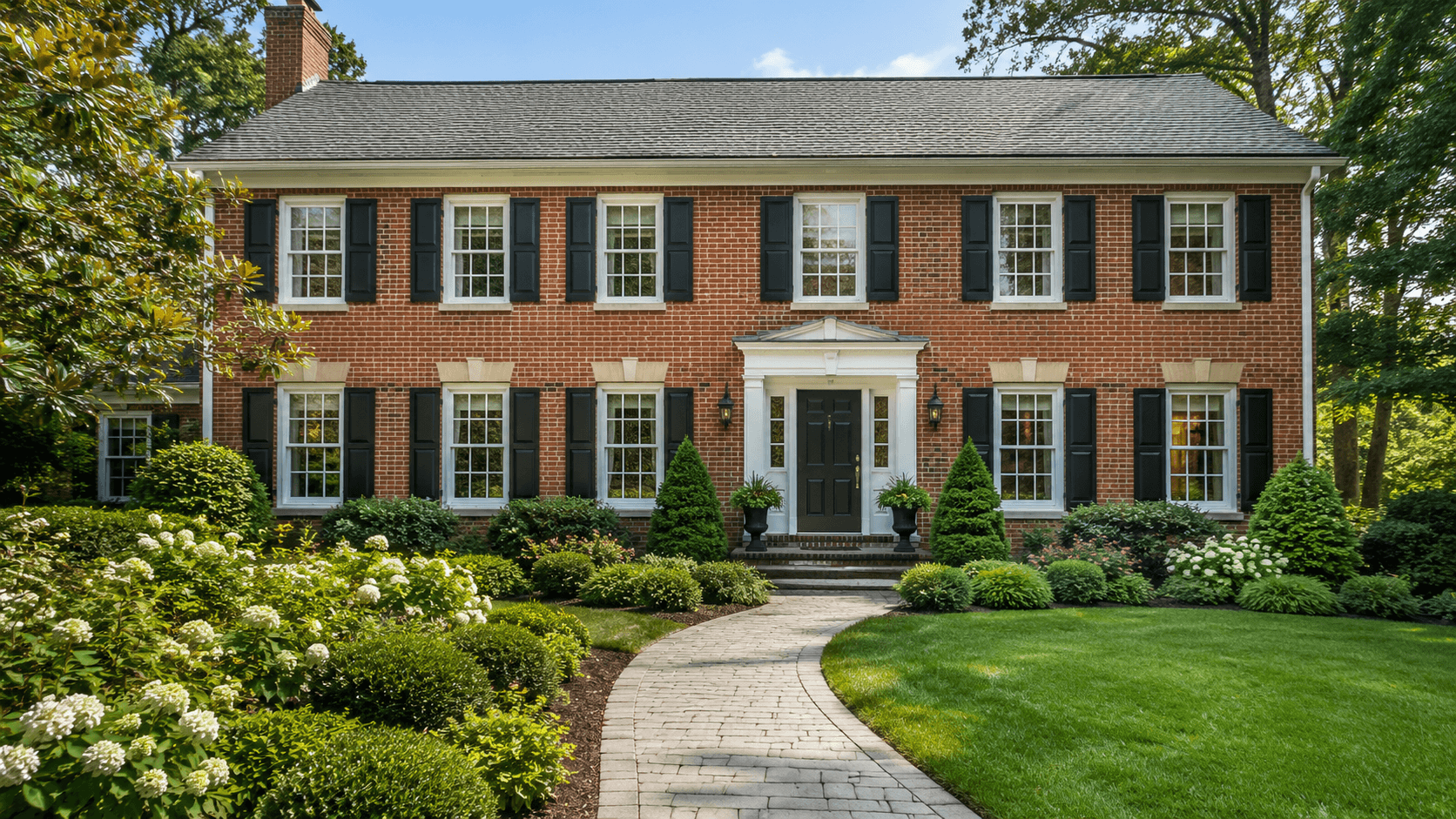
New England winters are legendary for their biting cold, heavy snow, and icy winds. For homeowners in Massachusetts and Connecticut, choosing the right windows isn't just about aesthetics; it's about comfort, energy efficiency, and protecting your home from the elements. But with so many options available, how do you know which windows are truly better for our challenging climate? Let's compare window styles and materials to help you make an informed decision.
Key Considerations for Winter-Ready Windows
- Energy Efficiency: Look for low U-factor ratings and multiple panes of glass with argon or krypton gas fills.
- Durability: Materials must withstand extreme temperature fluctuations without cracking or warping.
- Air Sealing: Proper installation and tight seals are crucial to prevent drafts.
- Glass Technology: Low-emissivity (Low-E) coatings reflect heat back into your home.
- Maintenance: Choose materials that require minimal upkeep, especially in harsh weather.
Window Materials: Which Performs Best?
The material of your window frames plays a significant role in their winter performance. Each has its pros and cons:
- Vinyl Windows: Highly popular for their excellent insulation properties, low maintenance, and affordability. Modern vinyl frames are engineered to resist warping and cracking, making them a strong contender for New England's climate. They are also energy efficient, helping to keep heating costs down.
- Fiberglass Windows: Known for their exceptional strength and durability, fiberglass frames are incredibly stable and resist expansion and contraction, which is vital in fluctuating temperatures. They offer superior insulation and can mimic the look of wood. While often a higher initial investment, their longevity and performance can be worth it.
- Wood Windows: Offer classic beauty and natural insulation. However, wood requires more maintenance (painting, sealing) to prevent rot and warping from moisture and temperature changes. If not meticulously maintained, their insulation can degrade over time. Many homeowners opt for wood interiors with low-maintenance exteriors.
- Aluminum Windows: While strong, aluminum is a poor insulator, making it less ideal for extreme cold unless it features thermal breaks. These breaks separate the interior and exterior frames to reduce heat transfer. Without them, aluminum can be a significant source of heat loss in winter.
Window Styles for Optimal Winter Performance
While material is crucial, certain window styles also lend themselves better to energy efficiency and draft prevention:
- Casement Windows: These windows seal tightly like a refrigerator door when closed, offering superior air-tightness compared to sliding windows. Their crank operation allows for a secure lock, pressing the sash firmly against the frame, which is excellent for keeping out cold drafts.
- Awning Windows: Similar to casements but hinged at the top, awning windows also provide a tight seal when closed. They can even be opened slightly during light rain for ventilation without letting precipitation in, which can be useful during milder winter days.
- Fixed Windows (Picture Windows): Since these windows do not open, they offer the best air-tightness and energy efficiency. They are ideal for maximizing views and natural light in areas where ventilation isn't a priority.
- Double-Hung and Slider Windows: While popular, these styles rely on meeting rails and weatherstripping to prevent drafts. High-quality double-hung and slider windows from reputable manufacturers like Kubala Windows can still offer excellent performance, especially with advanced sealing technologies and multiple panes of glass. However, they inherently have more potential points for air leakage than casement or fixed windows.
Making the Right Choice for Your New England Home
When upgrading your windows for New England winters, prioritize energy-efficient materials like vinyl or fiberglass, and consider styles that offer superior air sealing, such as casement or fixed windows. Always look for features like Low-E coatings, multiple glass panes, and argon gas fills. The right windows will not only keep your home warmer but also reduce your energy bills significantly. At Kubala Windows, we understand the unique demands of our climate and offer a range of high-performance our replacement windows designed to withstand the toughest winters. Ready to explore your options and ensure your home is winter-ready? get a free estimate today and let our experts guide you to the perfect solution.