
Broken Window Seal? How to Spot It & When to Replace
June 4, 2026
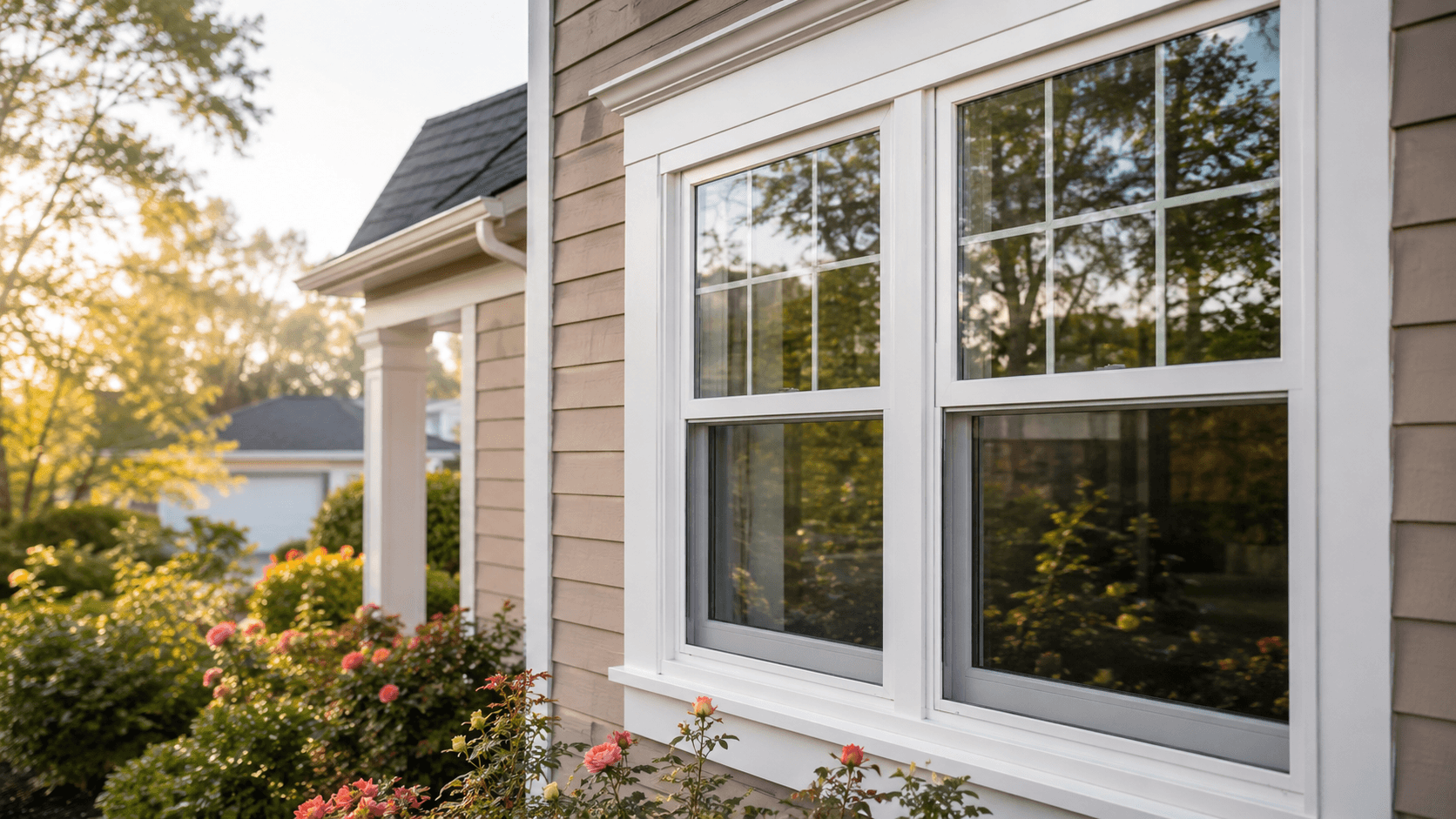
A broken window seal might seem like a minor issue, but it can significantly impact your home's comfort and energy bills. When the seal between your window panes fails, the inert gas (like argon or krypton) that provides insulation escapes, and moisture-laden air can seep in. For homeowners in Massachusetts and northern Connecticut, understanding the signs of a compromised seal is key to maintaining an energy-efficient home.
Clear Signs Your Window Seal is Broken
- **Condensation Between Panes:** This is the most obvious sign. If you see fog, moisture, or even ice forming *between* the glass panes that you can't wipe away, your seal is definitely broken.
- **Distorted or Wavy Glass Appearance:** Over time, the pressure difference caused by a broken seal can lead to the glass panes bowing inward or outward, creating a distorted view.
- **Increased Energy Bills:** A failed seal means your windows are no longer insulating effectively, forcing your heating and cooling systems to work harder.
- **Drafts or Temperature Fluctuations:** Even if you don't see condensation, a broken seal can allow drafts, making rooms feel colder in winter and hotter in summer.
- **Audible Noise Increase:** Insulated glass also helps dampen outside noise. If your home suddenly seems louder, a seal failure could be contributing.
Why a Broken Seal Matters for MA & CT Homes
Our region experiences significant temperature swings, from frigid winters to humid summers. A compromised window seal means your home is constantly battling the elements, leading to discomfort and wasted energy. Ignoring a broken seal won't just cost you money; it can also affect your home's structural integrity over time due to moisture infiltration. If you suspect an issue, it's wise to consider options like those on our replacement windows page.
The Best Time to Replace Windows with Broken Seals
While a broken seal can be addressed any time of year, certain seasons offer distinct advantages for window replacement, especially for homeowners in Massachusetts and Connecticut. Many people assume winter is the worst time, but that's not always true for experienced installers like Kubala Windows. However, spring and fall are often preferred:
- **Spring (April-June):** Mild temperatures make installations comfortable for crews and minimize heat/cold loss from your home. It's also a great time to prepare for summer's heat.
- **Fall (September-November):** Similar to spring, fall offers moderate weather, allowing for efficient installation before the deep cold sets in. This ensures your home is sealed tight for winter.
- **Summer (July-August):** While workable, hot and humid conditions can be less ideal. However, if you need immediate relief from a broken seal, it's still a viable option.
- **Winter (December-March):** Modern installation techniques and materials allow for winter replacements. Professional teams like ours take precautions to minimize heat loss, often replacing one window at a time. It can also be a less busy season for installers, potentially offering more scheduling flexibility.
Ultimately, the 'best' time depends on your specific needs and urgency. If you're seeing clear signs of a broken seal, don't delay. Addressing it promptly will save you money on energy bills and improve your home's comfort. Ready to explore your options? Get a free estimate today and let our experts help you find the perfect solution for your home.