
Casement vs Sliding Windows: Common Replacement Mistakes
August 12, 2026
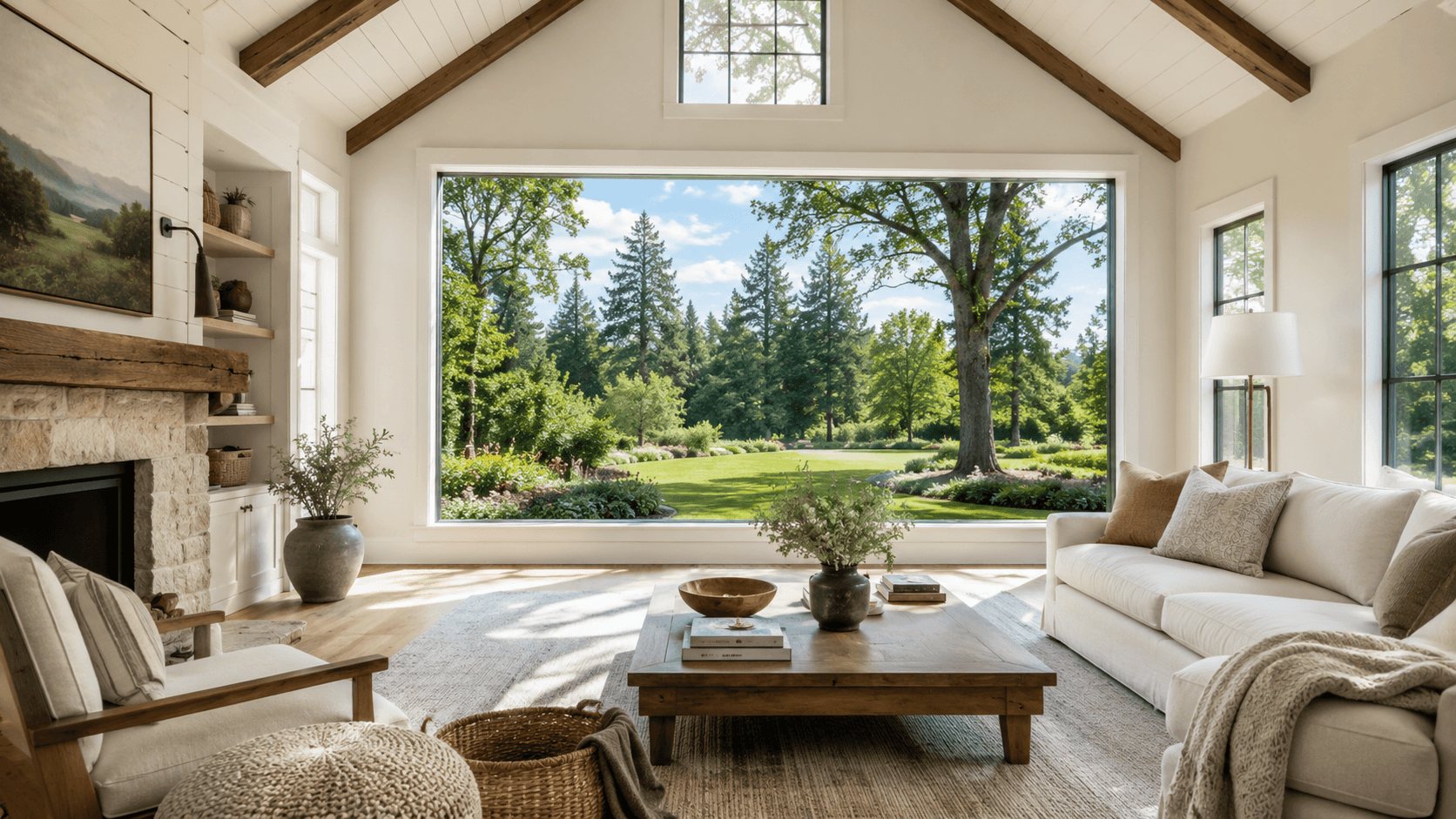
Choosing the right replacement windows can completely transform the comfort, energy efficiency, and aesthetic appeal of your home. However, Massachusetts and northern Connecticut homeowners frequently make critical errors when deciding between casement and sliding styles. Whether you are upgrading a historic colonial or a modern suburban ranch, understanding how these window types function in our local climate is essential.
Mistake 1: Ignoring Ventilation Needs and Airflow Direction
One of the most common pitfalls is failing to consider how the window opens relative to prevailing breezes. Casement windows crank outward, acting like a scoop to capture side breezes and direct fresh air straight into your rooms. Sliding windows, on the other hand, open horizontally, meaning only half of the window area is ever open for ventilation. If maximizing fresh New England air is your top priority, ignoring this mechanical difference can lead to long-term regret.
Mistake 2: Overlooking Spatial Constraints Inside and Out
Homeowners often select window styles based solely on indoor aesthetics without factoring in exterior obstacles or interior furniture placement. Casement windows require clear clearance outside to swing open, making them tricky near walkways, decks, or tightly spaced property lines common in older New England neighborhoods. Conversely, sliding windows require track maintenance to prevent dirt buildup from winter sand and salt. To explore options tailored to your specific layout, check out our replacement windows page.
Key Factors to Weigh Before Making Your Final Choice
- Energy efficiency: Casement seals tightly against the frame under pressure, while sliders rely on weatherstripping along tracks.
- Ease of operation: Sliders glide effortlessly on rollers, whereas casements use a hand crank that requires minimal physical effort.
- Cleaning convenience: Most modern casements and sliders allow you to clean the glass from inside the house.
- Architectural harmony: Sliders suit contemporary designs, while casements complement traditional and transitional homes.
Mistake 3: Neglecting Regional Weather and Structural Integrity
New England weather brings heavy Nor'easters, freezing temperatures, and humid summers. Choosing a poorly constructed slider or a fragile casement crank can lead to drafts and moisture leaks. At Kubala Windows, we help local homeowners navigate these exact decisions to ensure long-lasting durability. Ready to upgrade your home with confidence? Reach out today to get a free estimate and find the ideal window style for your property.