
Double-Hung vs. Casement Windows: Energy Savings Showdown
June 19, 2026
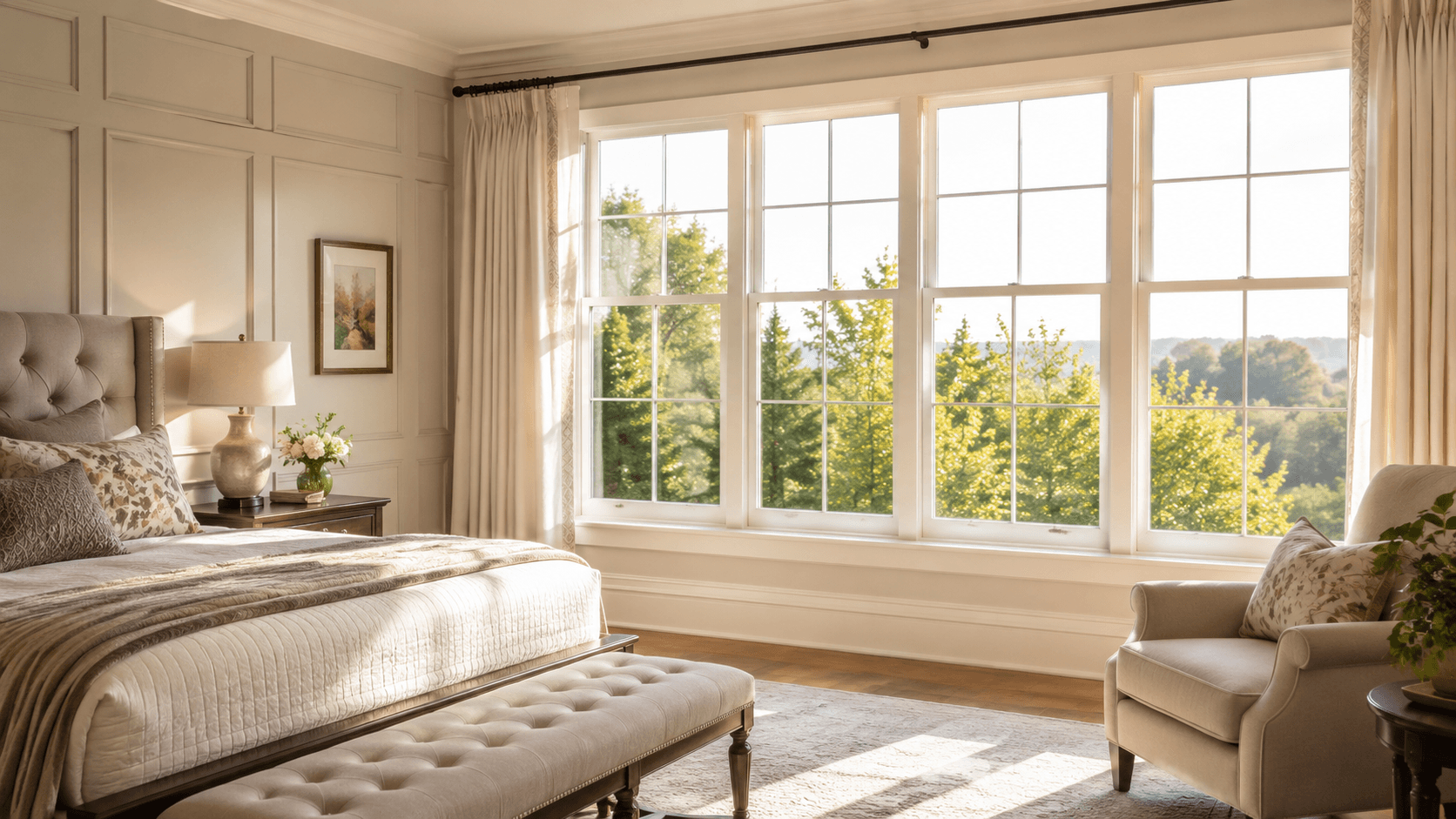
When it comes to upgrading your home's windows, the choice between double-hung and casement styles is often a matter of aesthetics and functionality. However, for homeowners in Massachusetts and northern Connecticut, energy efficiency is a critical factor that can impact heating and cooling costs year-round. Let's delve into a comparison, focusing on how each window type performs in terms of energy savings, complete with a hypothetical case study.
Understanding Double-Hung Windows
Double-hung windows are a classic choice, featuring two sashes that slide vertically. Both the top and bottom sashes can be opened, offering versatile ventilation. Their traditional appeal makes them a popular option, especially in older homes or those aiming for a classic look. While modern double-hung windows are far more energy-efficient than their predecessors, their design inherently presents more potential air leakage points than a casement window.
Understanding Casement Windows
Casement windows operate with a crank mechanism, opening outward like a door. This design allows the entire sash to seal tightly against the frame when closed, often creating a very strong seal. This tight seal is a primary reason why casement windows frequently outperform double-hung windows in energy efficiency tests. They also offer excellent ventilation, as the entire window opening can be exposed.
Energy Savings Case Study: A Massachusetts Home
Consider a typical 2,000 sq ft home in Springfield, MA, built in 1985, with 12 original, single-pane windows. The homeowner, Sarah, decided to replace them. She received quotes for both high-quality double-hung and casement windows, both with Low-E glass and argon gas fill. After reviewing the options, she chose to replace half her windows with modern double-hung and half with casement windows to observe the difference.
- Pre-replacement average annual heating/cooling bill: $3,500.
- Post-replacement with new double-hung windows: Estimated 25-30% energy savings, reducing annual costs by $875-$1,050.
- Post-replacement with new casement windows: Estimated 30-35% energy savings, reducing annual costs by $1,050-$1,225.
- The casement windows, due to their tighter seal, showed a slight edge in energy performance, leading to an additional $175-$200 in annual savings compared to the double-hung windows in this specific scenario.
- Overall, Sarah's energy bills dropped by approximately 28% across the entire home, demonstrating significant savings with either option compared to her old windows.
This case study illustrates that while both modern double-hung and casement windows offer substantial improvements over older models, casement windows often provide a marginal, but noticeable, advantage in energy efficiency due to their design. However, other factors like installation quality, frame material, and glass package play a huge role in overall performance. At Kubala Windows, we focus on providing top-tier replacement windows that maximize energy savings, regardless of style.
Making the Right Choice for Your Home
Ultimately, the best window for your home depends on your priorities. If maximum energy efficiency is your absolute top concern, casement windows often have a slight edge. If you prefer the traditional aesthetic and easy cleaning of double-hung windows, modern versions with advanced features can still deliver excellent energy performance. We recommend consulting with an expert to assess your specific needs and home's architecture. Ready to explore your options and see how much you can save? Get a free estimate today and let us help you find the perfect windows for your Massachusetts or Connecticut home.