
Double Hung vs. Casement Windows: An Energy Savings Case Study
October 9, 2026
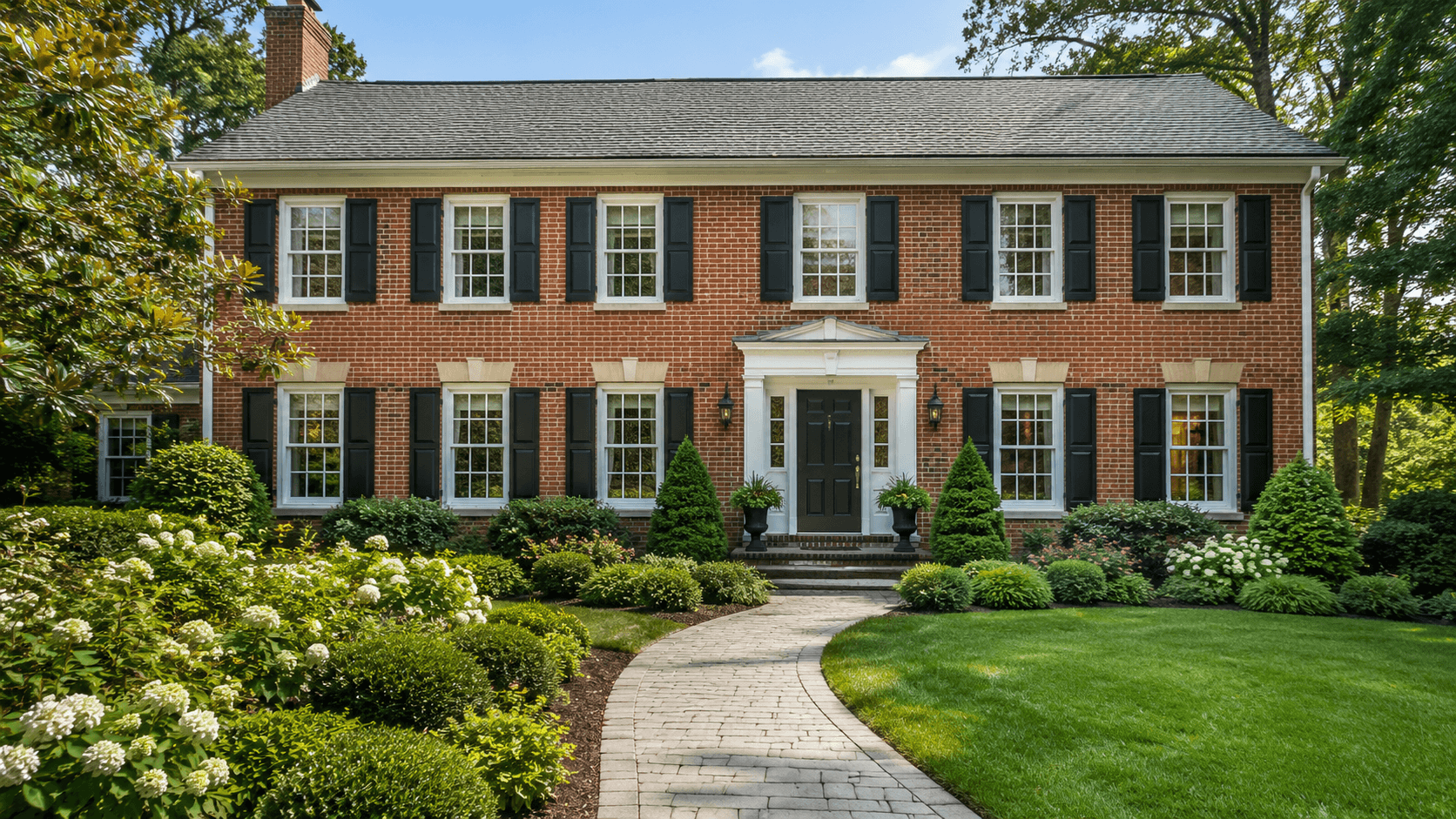
Choosing the right window style for your home is about more than just aesthetics; it plays a critical role in your monthly heating and cooling costs, especially given New England's fluctuating climate. When homeowners in Massachusetts and northern Connecticut look to upgrade, they often weigh the classic appeal of double hung windows against the modern performance of casement windows. To help you make the best decision, let us look at a real-world energy savings case study comparing both styles on a typical New England colonial home.
The Case Study: A Tale of Two Window Styles
Last year, we worked with a homeowner in Worcester, MA, who was dealing with skyrocketing energy bills and drafty rooms. Their 2,200-square-foot home still featured single-pane wooden windows from the 1970s. We split the home upgrade into an energy audit test: replacing the front half of the house with high-efficiency double hung windows and the rear half with contemporary casement windows, all crafted with advanced Low-E glass and argon gas fills.
Understanding the Mechanics of Energy Efficiency
While both window types can achieve impressive performance ratings when professionally installed by Kubala Windows, their mechanical designs differ in how they seal against air infiltration. Casement windows operate on a crank mechanism that presses the sash tightly against the weatherstripping, creating an airtight compression seal. Double hung windows slide vertically, and while modern block-and-tackle balances and improved weatherstripping have made them exceptionally tight, they naturally have slightly more potential pathways for micro-drafts over time.
The Real Numbers: Savings Breakdown
- Pre-replacement annual energy costs averaged $3,400 for heating and cooling.
- Post-installation monitoring showed an overall annual energy savings of 28%, saving the homeowner nearly $950 a year.
- Rooms outfitted with casement windows demonstrated a slightly tighter thermal envelope, reducing local heat loss by an extra 4% compared to the double hung rooms.
- Both styles eliminated seasonal drafts entirely, vastly improving indoor comfort during freezing Massachusetts winters.
- Explore our options on [our replacement windows page](https://www.kubalawindows.com/replacement-windows) to see which style fits your architecture.
Which Style Wins for Your Home?
While casement windows technically take the crown for maximum airtightness and minor edge-to-edge energy savings, the difference is often small enough that aesthetic preference, ventilation needs, and room layout take priority. Double hung windows remain a favorite for historic New England homes and upper-story rooms where outward-swinging sashes might be impractical. Ready to lower your own utility bills? You can get a free estimate today to discuss the ideal window configuration for your specific home.