
Why Your House Feels Drafty Even When the Heat Is On
June 4, 2026
The Chill That Lingers: More Than Just Old Windows
It's a common complaint across Massachusetts and northern Connecticut: the furnace is running, but there's a persistent chill, a draft that seems to sneak in from nowhere. While aging windows are often the prime suspect, the truth is more nuanced. The type of window, its style, and the materials used in its construction all play a significant role in your home's thermal performance and overall comfort, especially when the winter winds howl.
Window Styles: Beyond Aesthetics
Different window styles offer varying levels of airtightness and insulation. Understanding these differences can help pinpoint why your home feels drafty, even with the heat on full blast.
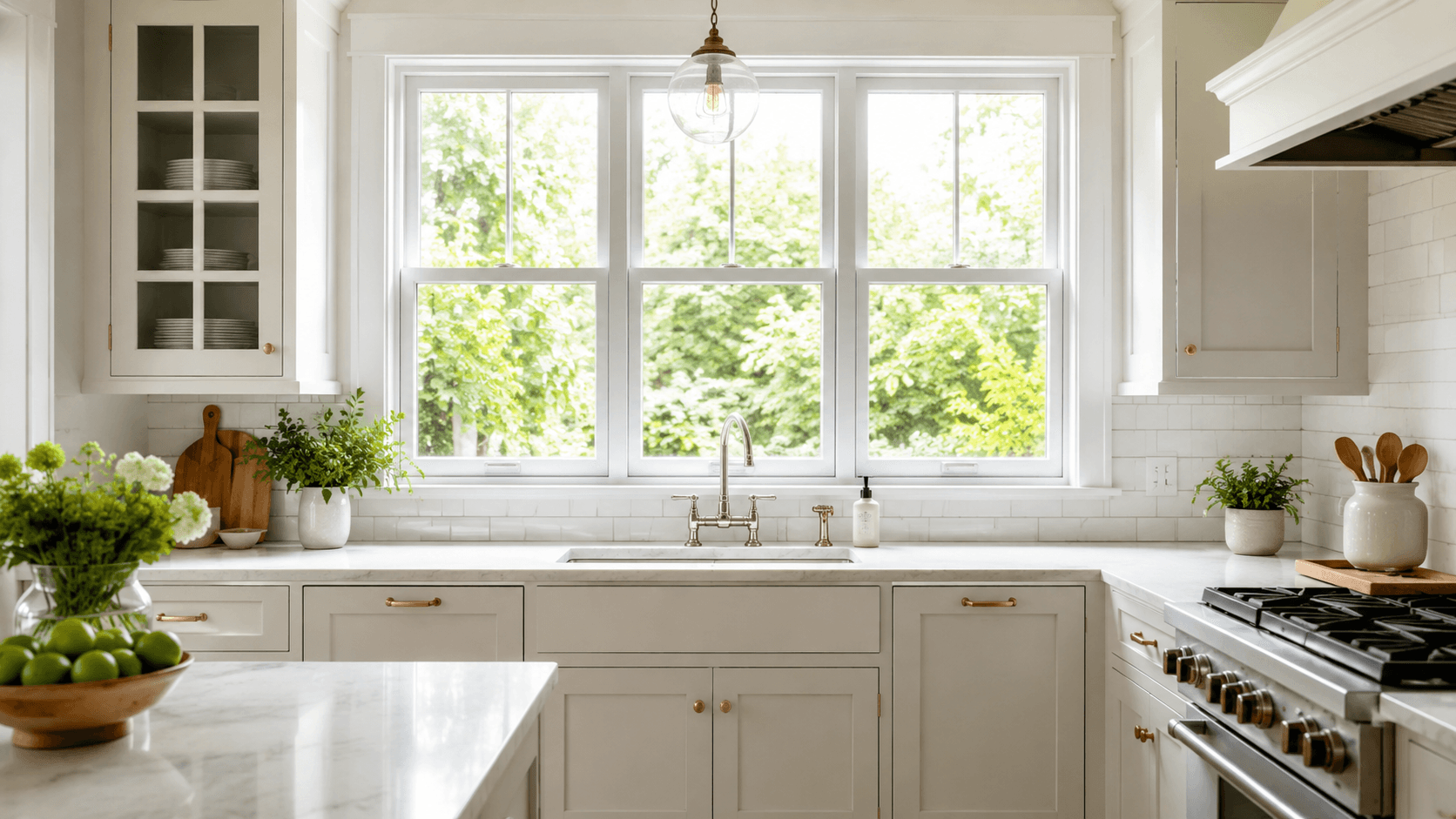
- **Double-Hung Windows:** While classic and popular, older double-hung windows can be prone to drafts due to their sliding sashes and potential for worn-out weatherstripping. Modern versions have significantly improved seals.
- **Casement Windows:** These windows crank open outward and generally offer a tighter seal when closed, as the sash presses firmly against the frame. This makes them excellent for preventing drafts.
- **Slider Windows:** Similar to double-hung but operating horizontally, older slider windows can also be a source of drafts if seals are compromised or the sashes don't close tightly.
- **Picture Windows:** Being fixed, non-opening windows, they are inherently more airtight than operational windows, assuming they are properly installed and sealed. They are not a source of drafts unless there are issues with the frame or installation.
The Impact of Window Materials
The material of your window frames also dictates how well they insulate and resist drafts. Some materials are better at preventing heat transfer than others, a crucial factor for energy efficiency in our region.
- **Wood:** A natural insulator, wood frames offer good thermal performance but require regular maintenance to prevent rot and warping, which can lead to drafts.
- **Vinyl:** Highly energy-efficient and low-maintenance, modern vinyl frames are designed with multiple chambers to trap air, significantly reducing heat transfer and drafts. They are a popular choice for [our replacement windows page](https://www.kubalawindows.com/replacement-windows).
- **Aluminum:** While durable, aluminum is a poor insulator as it conducts heat and cold easily. This can lead to significant heat loss and condensation, making your home feel colder.
- **Fiberglass:** An excellent insulator, fiberglass is strong, stable, and resistant to expansion and contraction, offering superior energy efficiency and long-term performance.
Beyond the Frame: Glass and Installation Matter
Even the best window style and material can't compensate for inefficient glass or poor installation. Single-pane glass offers almost no insulation, while modern double-pane or triple-pane windows with low-emissivity (Low-E) coatings and argon gas fills dramatically improve thermal performance. Proper installation, ensuring a tight seal between the window frame and your home's wall, is equally critical to prevent air leaks.
Reclaim Your Comfort with Kubala Windows
If your Massachusetts or Connecticut home is suffering from persistent drafts despite the heat being on, it might be time to assess your windows. At Kubala Windows, we understand the unique challenges of our local climate. We offer a range of high-performance replacement windows designed to eliminate drafts, improve energy efficiency, and enhance your home's comfort year-round. Don't let drafts dictate your comfort any longer. get a free estimate today and discover the difference quality windows can make.