
Why Your Windows Feel Drafty Even When They’re Closed
June 24, 2026
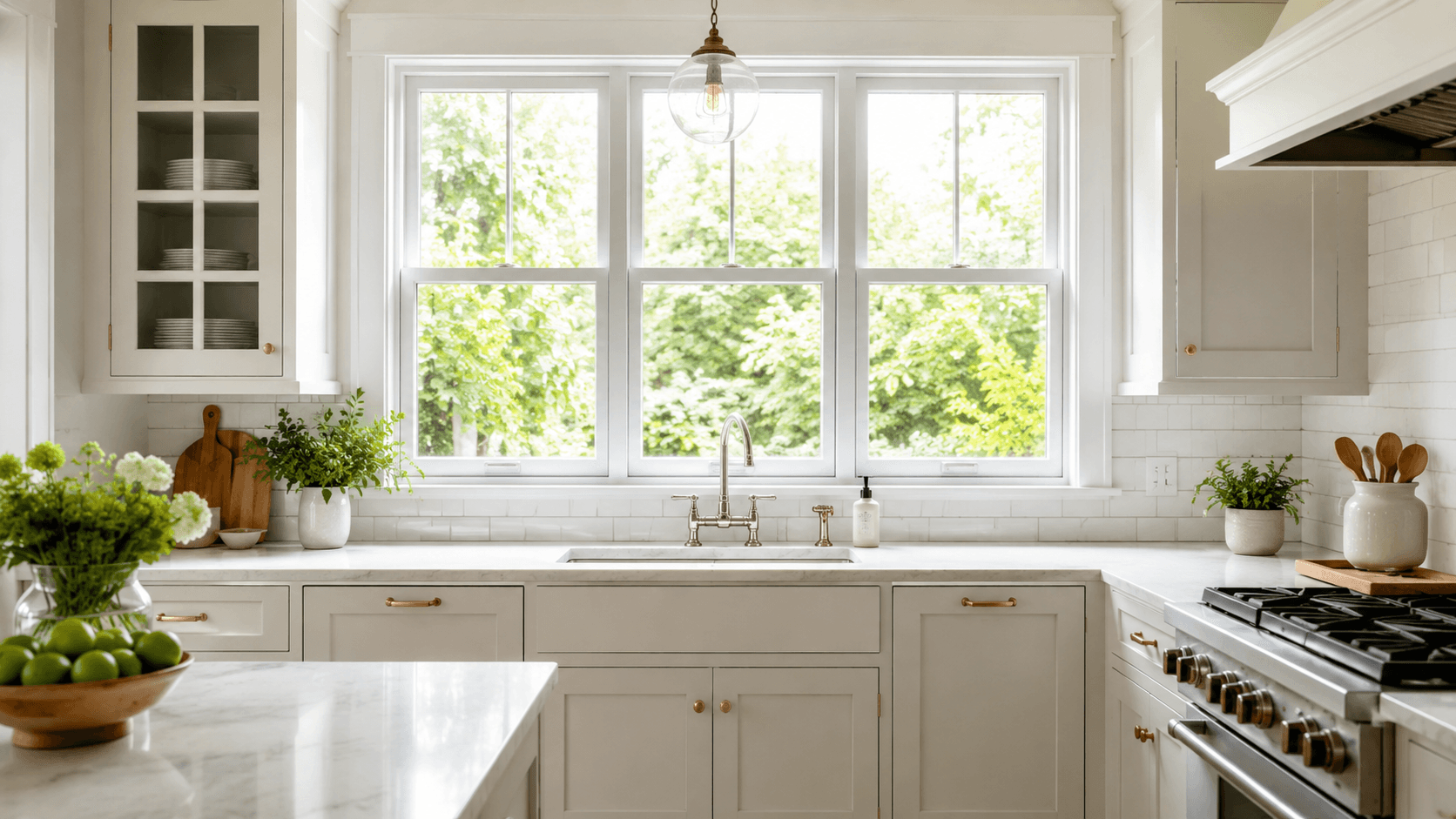
The Mystery of the Cold Draft: More Than Just an Open Window
For homeowners across Massachusetts and northern Connecticut, a chilly draft can be a frustrating reality, especially during our long, cold winters. You’ve checked, and your windows are definitely closed, yet that persistent chill still seeps in. This common problem isn't always about a window being ajar; often, it points to deeper issues related to your window’s design, materials, or installation. Understanding these factors is the first step toward a warmer, more comfortable home.
Window Styles: Some Are More Prone to Drafts
The style of your windows plays a significant role in their air-sealing capabilities. While all windows are designed to keep the elements out, some designs inherently offer a tighter seal than others. For example, casement and awning windows, which crank open, often provide a very tight seal because the sash presses firmly against the frame when closed. Double-hung and slider windows, on the other hand, rely on weatherstripping and interlocking sashes, which can degrade over time, creating pathways for drafts.
- **Double-Hung/Single-Hung:** These classic styles have sashes that slide up and down. Their design includes multiple points where drafts can occur, particularly if weatherstripping is worn or sashes don't interlock tightly.
- **Sliding Windows:** Similar to double-hungs but sliding horizontally, they face comparable challenges with seals along the tracks and where the sashes meet.
- **Casement/Awning Windows:** Known for their excellent energy efficiency, these windows seal by pressing against the frame, often creating a tighter barrier against drafts.
- **Picture Windows:** Being fixed, these windows are generally the most airtight, assuming they are properly installed and sealed around the frame.
The Role of Window Materials in Preventing Drafts
Beyond the style, the materials used in your window frames and glass also contribute significantly to their ability to prevent drafts and maintain indoor comfort. Older windows, especially those with single-pane glass or deteriorating wood frames, are notorious for air leakage. Modern replacement windows, like those offered by Kubala Windows, utilize advanced materials and construction techniques to minimize drafts.
For instance, high-quality vinyl frames are excellent insulators and resist warping, ensuring a consistent, tight seal over time. Double-pane or triple-pane glass with low-emissivity (Low-E) coatings and argon gas fills further enhance insulation, reducing heat transfer and making your home feel warmer. If you're experiencing persistent drafts, it might be time to consider upgrading to our replacement windows that are engineered for superior performance in our climate.
Beyond the Window: Installation and Other Factors
Sometimes, the window itself isn't the primary culprit. Poor installation can leave gaps between the window frame and the wall, allowing air to infiltrate. Over time, caulk and seals around the exterior can also degrade, creating new pathways for drafts. If you suspect your windows are letting in cold air, a thorough inspection by professionals can identify the exact cause. Addressing these issues can not only eliminate drafts but also significantly improve your home's energy efficiency, potentially lowering your heating bills.
Don't let drafty windows compromise your comfort this winter. Whether it's a matter of style, material, or installation, there are solutions to make your home feel cozy and warm again. If you're ready to explore options for draft-free living, we invite you to get a free estimate with Kubala Windows today.