
Why Your Energy Bills Keep Rising (Even If Nothing Changed)
June 4, 2026
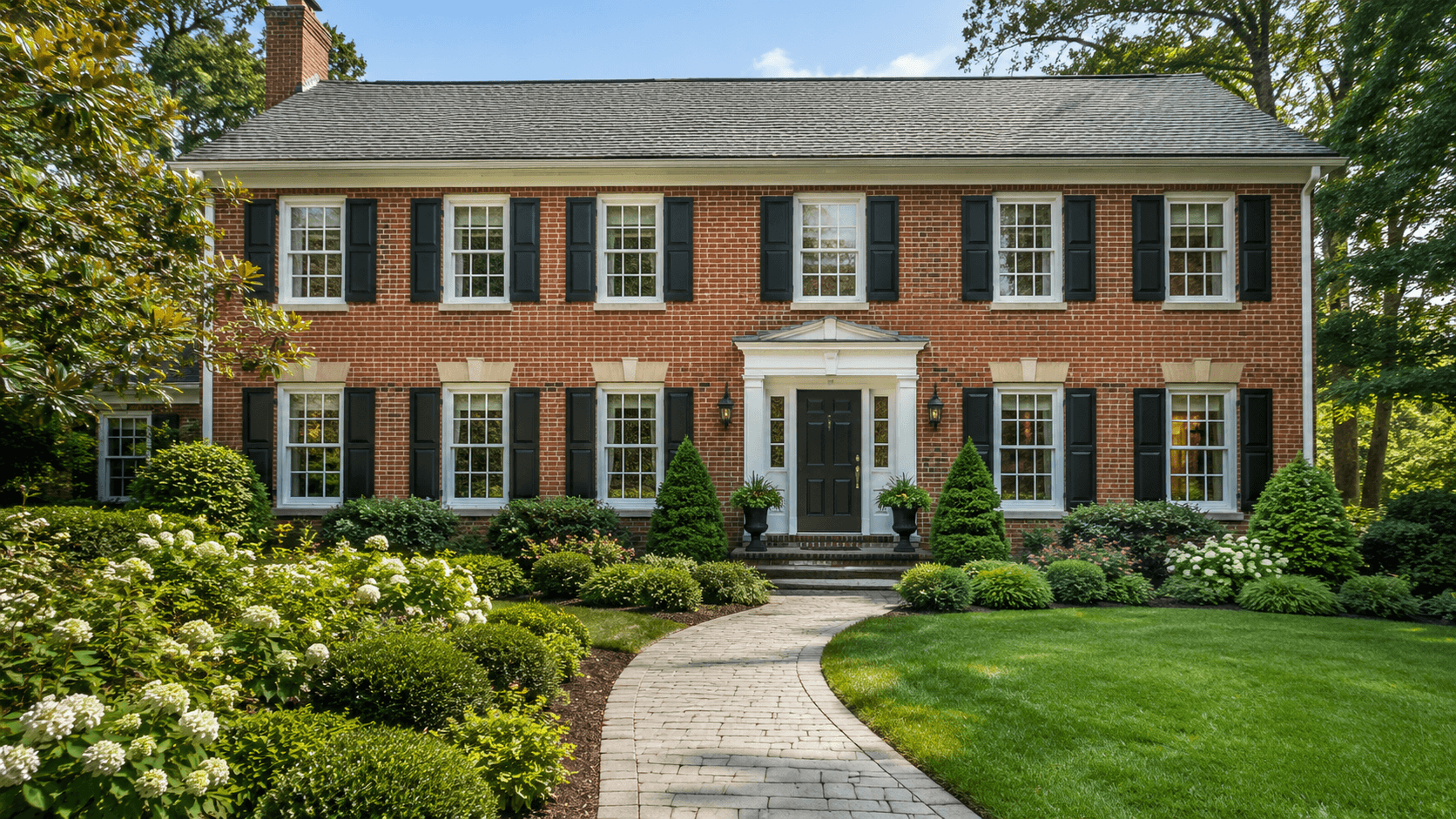
Have you noticed your energy bills creeping higher, even though your thermostat settings haven't budged and your daily routines remain the same? For many homeowners in Massachusetts and northern Connecticut, this can be a frustrating mystery. Often, the culprit isn't a change in your habits, but rather the silent, steady decline of your home's thermal efficiency – particularly when it comes to your windows.
The Silent Energy Drain: How Old Windows Fail You
Older windows, especially those with single panes or deteriorating frames, are notorious for allowing conditioned air to escape in winter and unwanted heat to pour in during summer. This constant battle against the elements forces your HVAC system to work harder, consuming more energy and driving up your utility costs. It's not just about drafts; it's about the materials and construction that dictate how well your home retains its comfortable temperature.
Window Materials: A Crucial Factor in Energy Efficiency
The material of your window frames plays a significant role in their insulating properties. Different materials offer varying levels of thermal resistance, directly impacting your home's energy performance. Let's compare some common options:
- **Wood Windows:** Historically popular, wood offers good natural insulation. However, it requires regular maintenance (painting, sealing) and can warp or rot over time if not properly cared for, leading to air leaks.
- **Aluminum Windows:** While durable and low-maintenance, aluminum is a poor insulator. It conducts heat and cold readily, making it less energy-efficient for climates with extreme temperature swings like ours.
- **Vinyl Windows:** A popular choice for replacement windows, modern vinyl frames are highly energy-efficient. They are designed with internal chambers that trap air, providing excellent insulation, and are virtually maintenance-free.
- **Fiberglass Windows:** Offering exceptional strength and stability, fiberglass is also an excellent insulator. It resists warping and expanding, making it highly durable and energy-efficient, though often at a higher initial cost.
Window Styles: Beyond Aesthetics
Beyond materials, the style of your windows also influences their energy efficiency. Some styles inherently offer a tighter seal than others:
- **Double-Hung Windows:** Classic and versatile, but can be prone to air leakage if not properly installed or if seals degrade over time due to their sliding mechanism.
- **Casement Windows:** These crank open outward and typically offer a very tight seal when closed, as the sash presses firmly against the frame, making them one of the most energy-efficient operable window styles.
- **Awning Windows:** Hinged at the top, they open outward, providing excellent ventilation even during light rain. Like casements, they offer a very tight seal when closed.
- **Picture Windows:** Non-operable, these offer the highest energy efficiency because they have no moving parts or potential air gaps, making them ideal for maximizing views and light while minimizing heat transfer.
The Solution: Modern, Energy-Efficient Replacement Windows
If your energy bills are on an upward trend, it might be time to consider upgrading to modern, energy-efficient replacement windows. Today's windows feature advanced technologies like low-emissivity (Low-E) coatings, argon gas fills between panes, and multi-pane glazing, all designed to drastically improve insulation and reduce heat transfer. These innovations mean a more comfortable home and significant savings on your heating and cooling costs.
At Kubala Windows, we specialize in helping homeowners in areas like Springfield, MA, and Hartford, CT, find the perfect balance of style, material, and energy efficiency for their homes. Explore our range of replacement windows to see the difference quality makes. Ready to stop the energy drain? Get a free estimate today and take the first step towards lower bills and a more comfortable home.