
Historic District Window Replacement: Styles & Materials Guide
June 19, 2026
Understanding Historic District Regulations
Homeowners in historic districts across Massachusetts and northern Connecticut face unique challenges when it comes to window replacement. Local historical commissions often have strict guidelines to preserve the architectural integrity of the area. This means you can't always choose just any window; the style, material, and even the way the window operates might be regulated. The goal is to ensure that new windows blend seamlessly with the original character of your home and the neighborhood.
Traditional Window Styles for Historic Homes
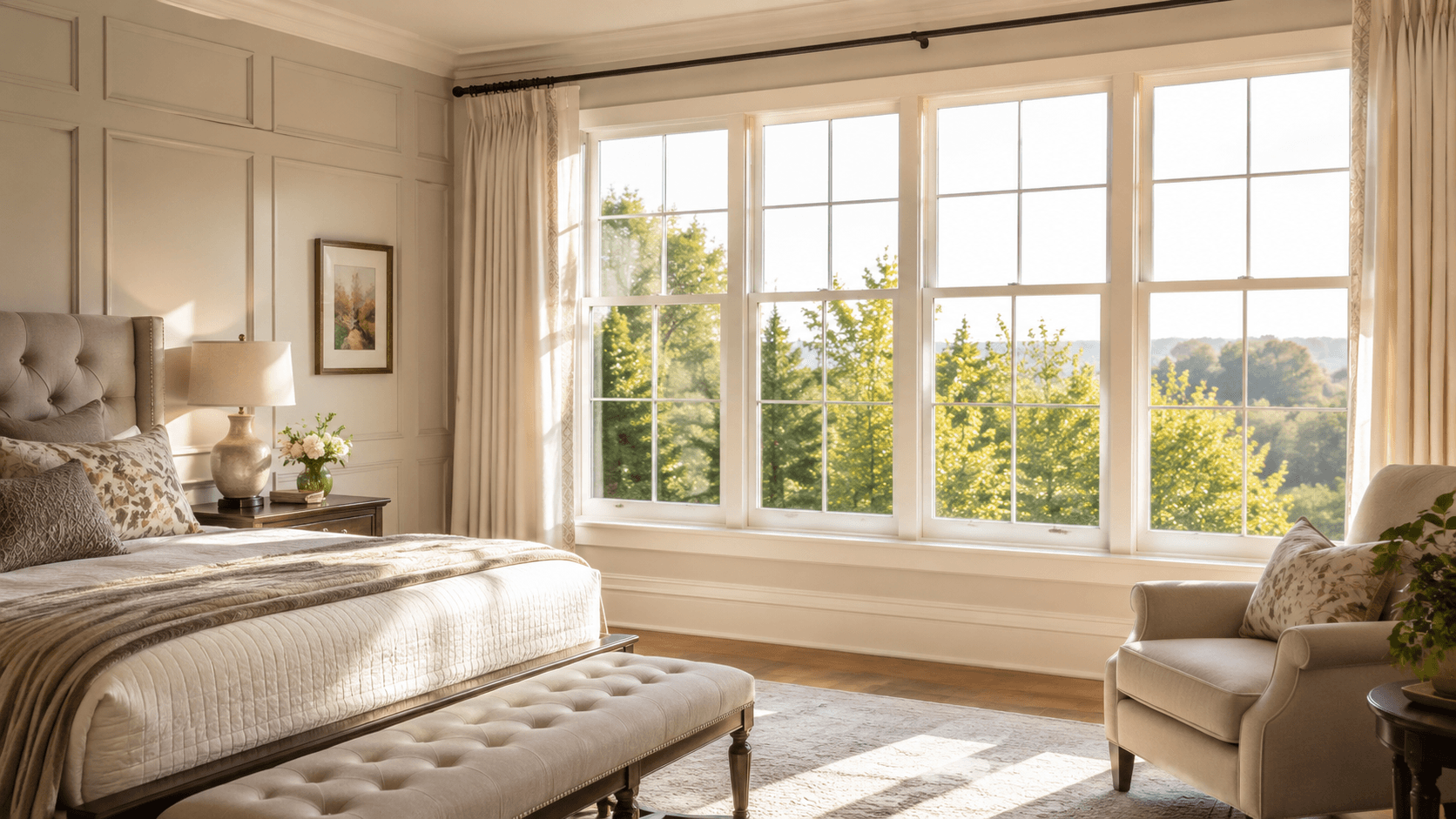
When replacing windows in a historic home, maintaining the original style is paramount. Common styles found in older homes include double-hung, casement, and sometimes fixed windows. Double-hung windows, with their two sashes that slide vertically, are particularly prevalent and often a requirement. It's crucial that the new windows match the original's pane configuration (e.g., 6-over-6 or 2-over-2), muntin profiles, and overall proportions. Kubala Windows offers a variety of replacement windows that can be customized to meet these specific aesthetic demands.
Material Choices: Wood, Vinyl, and Fiberglass
The material of your replacement windows is another critical factor, often subject to historic district approval. Here's a comparison of common options:
- **Wood Windows:** Often the original material in historic homes, wood offers unmatched authenticity and can be painted or stained to match existing trim. While beautiful, wood requires more maintenance and can be more expensive.
- **Vinyl Windows:** Modern vinyl windows have come a long way, with options that mimic the look of traditional wood. They are energy-efficient, low-maintenance, and cost-effective. However, some historic commissions may not approve vinyl, especially if the original windows were wood.
- **Fiberglass Windows:** A durable and energy-efficient option, fiberglass can be painted and often offers a slimmer profile than vinyl, making it a good compromise for some historic applications. It resists warping and rotting, providing excellent longevity.
- **Aluminum-Clad Wood:** This option combines the warmth of wood interiors with a low-maintenance aluminum exterior, offering a good balance of aesthetics and durability, often acceptable in less stringent historic districts.
Balancing Preservation with Modern Efficiency
The good news is that you no longer have to sacrifice energy efficiency to preserve historical accuracy. Many manufacturers now offer historically accurate windows with modern features like low-E glass coatings, argon gas fills, and superior weatherstripping. These advancements can significantly improve your home's insulation, reduce energy bills, and enhance comfort without compromising its historic charm. Always consult with your local historic commission early in the planning process to understand their specific requirements and approval procedures.
If you're considering window replacement for your historic home in Massachusetts or northern Connecticut, our experts can help you navigate the options and regulations. Contact Kubala Windows today to discuss your project and get a free estimate.