
Why Your Rooms Feel Hot in Summer and Cold in Winter
June 4, 2026
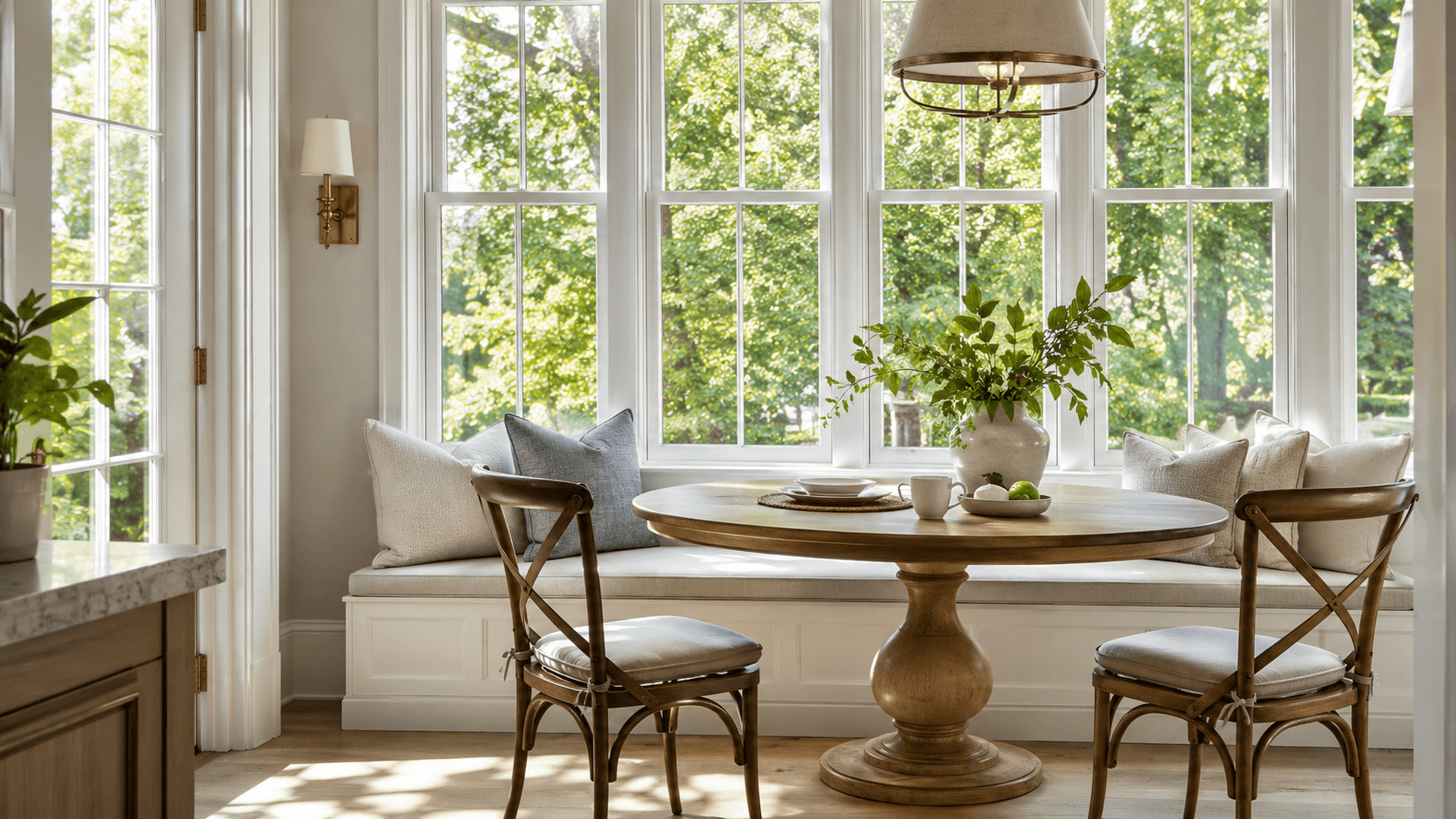
For homeowners across Massachusetts and northern Connecticut, the struggle is real: one room is an oven in July, while another is an icebox in January. You crank the AC or the heat, but the discomfort persists, and your energy bills soar. While insulation and HVAC systems play a role, your windows are often the primary culprit behind these temperature inconsistencies.
The Hidden Culprit: Window Performance
Windows are more than just a view to the outside; they are critical components of your home's thermal envelope. Old, inefficient, or poorly installed windows can lead to significant energy loss, making it difficult to maintain a consistent, comfortable temperature indoors. This is especially true with the extreme weather swings we experience in New England.
Window Materials: A Key Difference
The material of your window frames significantly impacts their insulating properties. Different materials conduct heat at varying rates, directly affecting how much heat enters or escapes your home.
- **Vinyl Windows:** Highly popular for their excellent insulation, durability, and low maintenance. Vinyl frames have multiple chambers that trap air, acting as an effective thermal barrier. They are also resistant to rot and corrosion.
- **Wood Windows:** Offer natural beauty and good insulation, but require more maintenance (painting, sealing) to prevent rot and warping. Their thermal performance can degrade if not properly maintained.
- **Aluminum Windows:** While strong and durable, aluminum is a highly conductive material. This means it transfers heat and cold easily, making aluminum windows generally less energy-efficient unless they feature thermal breaks.
- **Fiberglass Windows:** Known for their strength, stability, and energy efficiency. Fiberglass frames are extremely durable and resist expansion and contraction, making them a great choice for maintaining a tight seal over time.
Window Styles and Their Impact
Beyond materials, the style of your windows also contributes to their overall energy efficiency. Some styles offer tighter seals and fewer potential air leakage points than others.
- **Casement and Awning Windows:** These styles crank open and close, pressing the sash tightly against the frame. This creates a very strong, airtight seal, making them among the most energy-efficient options.
- **Double-Hung and Single-Hung Windows:** While popular, the sliding sashes in these styles can sometimes allow for more air infiltration if not designed with robust weatherstripping and tight seals. Quality is key here.
- **Picture Windows:** Since they don't open, picture windows are inherently very energy-efficient, provided they have high-quality glass and frames. They offer maximum light and unobstructed views.
- **Bay and Bow Windows:** These multi-panel windows can be beautiful but require careful installation and construction to ensure they don't become sources of drafts. The quality of the individual window units within the bay/bow matters greatly.
The Kubala Windows Difference
At Kubala Windows, we understand the unique climate challenges faced by homeowners in Massachusetts and northern Connecticut. That's why we specialize in high-performance replacement windows designed to keep your home comfortable year-round, significantly reducing those hot spots and cold drafts. Our expert team can help you choose the right materials and styles to optimize your home's energy efficiency and comfort.
Don't let uncomfortable rooms dictate your home life any longer. If you're tired of fluctuating temperatures and high energy bills, it might be time to consider upgrading your windows. Get a free estimate today and take the first step towards a more comfortable and energy-efficient home.