Beat the Chill: Why New Windows Are Key Before Heating Season

July 28, 2026
Why You Should Replace Windows Before Another High Heating Season - Kubala Windows

Don't Wait for Winter: The Urgency of Window Replacement in MA & CT

As homeowners in Massachusetts and northern Connecticut know, New England winters are no joke. The heating season, which officially runs from September 15th through May 31st in Massachusetts, demands a lot from our homes. Old, inefficient windows are often major culprits for heat loss, making your furnace work overtime and driving up energy bills. Replacing your windows before the cold truly sets in isn't just about comfort; it's a smart financial decision that can lead to significant savings and a more comfortable home all winter long.

The Impact of Window Materials on Energy Efficiency

The material of your window frames plays a crucial role in their insulating properties and overall energy performance. Different materials offer varying levels of thermal resistance, durability, and maintenance requirements. Choosing the right material can dramatically reduce heat transfer and improve your home's energy efficiency.

  • **Vinyl Windows:** Often considered a top contender for energy efficiency, vinyl windows offer excellent thermal performance, especially those with foam-filled chambers. They are durable, low-maintenance, and do not expand and contract like wood, which helps prevent gaps for heat to escape.
  • **Fiberglass Windows:** These offer insulating properties comparable to wood and are known for their strength and stability. Fiberglass expands and contracts at a similar rate to glass, reducing stress on the seals.
  • **Wood Windows:** Wood is a natural insulator with low thermal conductivity, making it highly energy-efficient. However, wood frames typically require more maintenance like painting or staining to protect against the elements.
  • **Aluminum Windows:** While durable and modern, aluminum is a poor insulator. For aluminum windows to be energy-efficient, they require thermal breaks to prevent heat transfer. Uninsulated aluminum is generally not recommended for colder climates.

Window Styles: Beyond Aesthetics to Performance

Beyond material, the style of your windows also contributes significantly to their energy efficiency. Some styles inherently offer better airtightness and insulation than others, which is particularly important for managing heating costs in our region.

  • **Picture & Fixed Windows:** These are the most energy-efficient window types because they do not open, creating a permanent, airtight seal. They are ideal for maximizing natural light and views where ventilation isn't a priority.
  • **Casement & Awning Windows:** Hinged at the side (casement) or top (awning), these windows seal tightly when closed due to a compression seal, making them highly energy-efficient and excellent at preventing drafts.
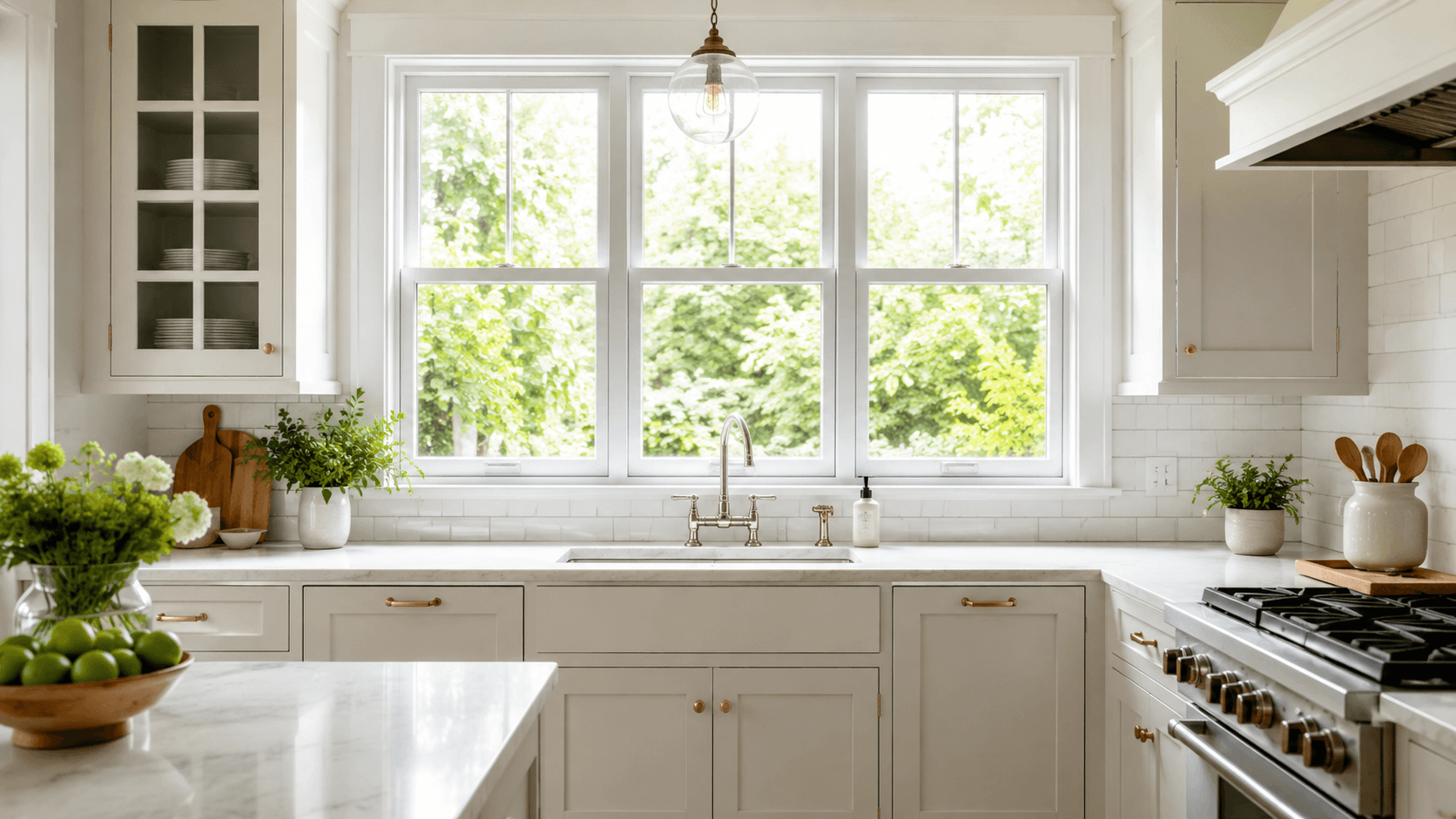
  • **Double-Hung & Sliding Windows:** While popular for their classic look and ventilation options, these styles can be less airtight than casement or fixed windows due to their sliding mechanisms. However, modern designs with quality construction and features like double or triple-pane glass and Low-E coatings can still offer good energy performance.
  • **Bay & Bow Windows:** These multi-window units extend outward from your home, adding space and light. Their energy efficiency depends heavily on the individual window units used and proper installation to prevent air leakage.

Key Features for Maximum Energy Savings

Regardless of style or material, certain features are essential for maximizing the energy efficiency of your replacement windows, especially in a climate like Massachusetts or Connecticut. Look for:

  • **Double or Triple-Pane Glass:** Multiple panes with an inert gas fill (like argon or krypton) between them significantly reduce heat transfer. Triple-pane windows offer superior insulation, particularly beneficial for extreme cold.
  • **Low-E Coatings:** These microscopic metallic coatings reflect infrared and UV rays, helping to keep heat inside during winter and outside during summer, while also protecting furnishings from fading.
  • **Warm-Edge Spacers:** These separate the glass panes and help reduce heat transfer at the edge of the window, minimizing condensation and improving overall efficiency.
  • **ENERGY STAR® Certification:** Windows with this certification meet strict energy efficiency guidelines set by the EPA, ensuring they perform well in your climate zone.

Ready to Upgrade Before the Cold Arrives?

Don't let another harsh New England winter catch you off guard with drafty, inefficient windows. Investing in high-quality, energy-efficient replacement windows now can save you money on heating bills, enhance your home's comfort, and even increase its value. At Kubala Windows, we specialize in providing homeowners across Massachusetts and northern Connecticut with durable, protective, and energy-saving windows. Explore our wide selection of our replacement windows page to find the perfect fit for your home. Ready to take the first step towards a warmer, more efficient home? get a free estimate today!

© 2026 Kubala Home Improvement. All Rights Reserved

Licensed and insured: CSL #100114, Mass HIC #150118.