
Why You Should Replace Windows That Make Seasonal Changes Feel Extreme
August 12, 2026
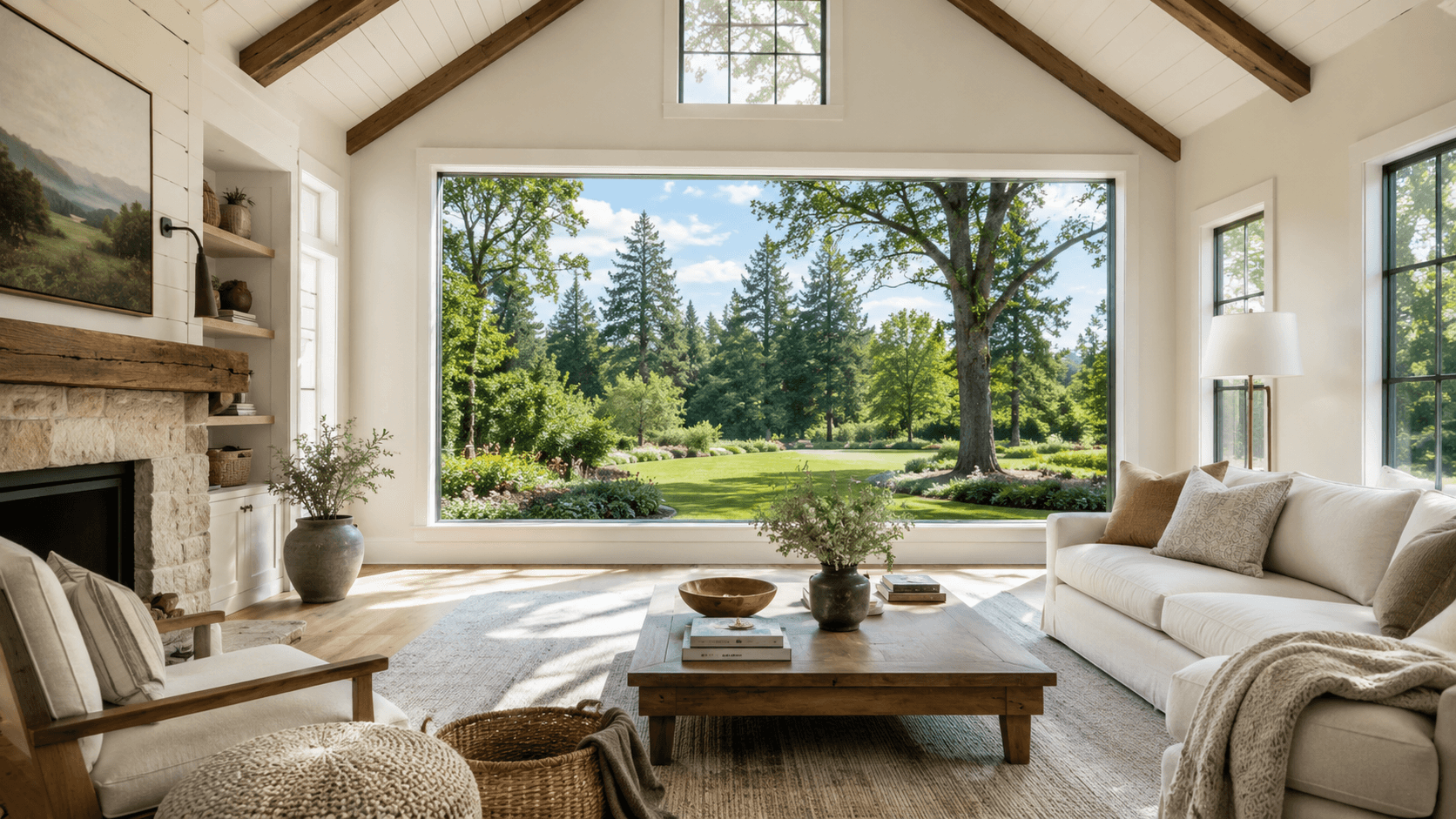
Living in Massachusetts and northern CT means experiencing the full spectrum of New England weather. From humid summer heatwaves to sub-zero winter nor'easters, our region tests every part of a home's exterior. If you notice that certain rooms feel drafty in January and like an oven in July, your windows are likely failing to insulate your living space. When glass and frames can no longer handle the thermal shift, seasonal changes feel far more extreme indoors than they should.
How Old Window Materials Amplify Indoor Temperature Swings
Traditional or aging window materials often lack the thermal breaks and insulating properties required to block outdoor temperatures. Aluminum frames, for example, conduct heat and cold directly into your living spaces, acting as a highway for thermal energy transfer. Older wood frames can warp, shrink, or crack over decades of moisture and temperature fluctuations, creating microscopic gaps where air freely passes. When you rely on our replacement windows page, you transition away from these leaky legacy materials toward advanced framing technologies designed for local climates.
Comparing Window Materials: Vinyl, Composite, and Wood
- Vinyl windows provide exceptional thermal resistance with multi-chambered frames and require virtually zero seasonal maintenance.
- Composite frames combine the structural strength and aesthetic appeal of wood with the weather-resistant durability of synthetic polymers.
- Clad-wood windows offer a classic interior wood finish paired with a heavy-duty exterior shield that prevents rotting and warping.
- Advanced fiberglass frames expand and contract at nearly the same rate as glass, virtually eliminating seal failures during extreme weather shifts.
Window Styles Matter: Operational Design and Air Sealer Performance
Material is only half of the equation; the operational style of your window significantly influences airtightness. Double-hung windows feature a traditional design, but modern engineering incorporates superior weather-stripping compared to units built thirty years ago. Casement windows, which crank outward and seal tightly against the frame via compression, offer superior airtightness against driving winds. Choosing the right style for specific exposure zones in your house makes a noticeable difference when winter storms roll across New England.
The Long-Term Comfort and Energy Efficiency Benefits
Upgrading to high-performance glass packages—such as double- or triple-pane glass filled with inert argon gas and coated with low-E layers—stops radiant heat transfer in its tracks. Homeowners often find that upgrading through Kubala Windows immediately stabilizes indoor temperatures room by room. You will no longer need to crank your HVAC system just to stay comfortable near the living room or bedroom exterior walls.
Take Control of Your Indoor Climate Today
You do not have to live at the mercy of every sudden weather shift outside your walls. Evaluating your current window materials and operational styles is the first step toward a more balanced, efficient home. Ready to eliminate those stubborn drafts and hot spots once and for all? Reach out today to get a free estimate and discover the ideal window solutions for your property.