
Signs Your Windows Are Trapping Summer Heat & When to Replace
August 12, 2026
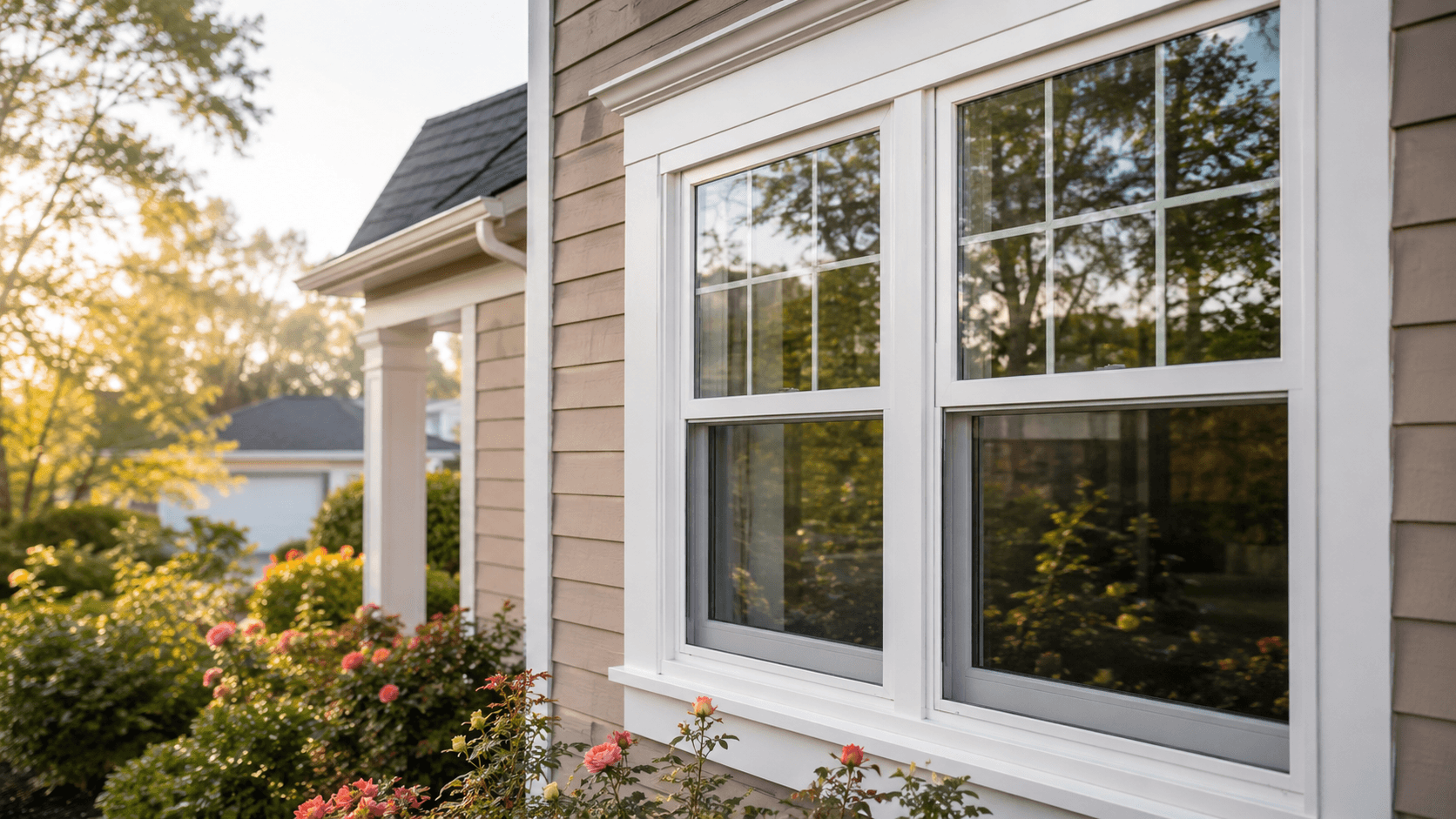
Summers in Massachusetts and northern Connecticut can bring intense humidity and soaring temperatures. If certain rooms in your home consistently feel stuffy or significantly warmer than the rest of the house, your cooling system might not be entirely to blame. Aging or inefficient windows often allow solar heat to build up inside living spaces, making it difficult to maintain a comfortable indoor temperature.
Common Warning Signs of Heat-Conducting Windows
- Rooms that remain uncomfortably warm despite air conditioning running continuously
- Window glass that feels noticeably hot to the touch on sunny afternoons
- Fading on carpets, furniture, and hardwood floors from unfiltered UV rays
- Condensation or fogging trapped between the glass panes of double-hung units
- Drafts or warped frames that fail to seal tightly against the window sill
Why Modern Energy-Efficient Glass Matters
Older single-pane or worn-out double-pane windows act like thermal conductors, absorbing outdoor heat and transferring it straight into your home. Upgrading to high-performance our replacement windows page featuring low-E glass coatings and insulated vinyl frames can drastically reduce solar heat gain. This keeps your air conditioner from working overtime and lowers your monthly electric bills.
Timing Your Home Upgrade: Is Summer the Right Season?
Many homeowners wait until winter to think about insulation, but summer is actually an exceptional time to tackle window projects. Warm weather allows for flexible scheduling, quick installation turnaround times, and immediate relief from stuffy indoor conditions. By replacing your windows during the warm months, you also prepare your home to hold onto heat efficiently when the chilly New England autumn arrives.
Plan Your Window Replacement with Kubala Windows
If your home is struggling to stay cool this season, local experts are ready to help. Kubala Windows provides durable, energy-efficient solutions designed specifically to withstand regional weather extremes across Massachusetts and northern Connecticut. Ready to improve your comfort and lower your energy costs? You can get a free estimate today to discuss the best upgrade options for your property.