
Upgrade Your Home: Better Ventilation with New Windows
July 28, 2026
Why Good Window Ventilation Matters for Your Home
In Massachusetts and northern Connecticut, our homes experience a wide range of weather conditions, from humid summers to cold winters. Proper ventilation is crucial year-round, but often overlooked. Windows that don't ventilate well can lead to a host of problems, affecting everything from your indoor air quality to your energy bills. Stale indoor air can be 2 to 5 times more polluted than outdoor air, contributing to issues like lingering odors, excessive humidity, and even potential health concerns. Upgrading your windows is a significant step towards a healthier, more comfortable living environment.
Signs Your Windows Aren't Ventilating Well
- **Persistent Humidity and Condensation:** If you frequently see condensation on your windows, especially during colder months, or notice damp surfaces, it's a clear sign of poor air circulation. This excess moisture can lead to mold and mildew growth, which can have serious health implications.
- **Stale or Musty Odors:** Lingering smells from cooking, pets, or general stuffiness indicate that pollutants and moisture aren't effectively escaping your home.
- **Increased Allergies or Respiratory Issues:** Poor ventilation allows allergens, dust, and mold spores to accumulate, potentially worsening allergy symptoms or respiratory problems for residents.
- **Excessive Dust Accumulation:** A noticeable buildup of dust on surfaces suggests that air isn't circulating properly to filter out airborne particles.
- **Difficulty Opening or Closing:** Old or warped windows that are hard to operate prevent you from utilizing them for natural airflow, even when you want to.
Window Styles for Superior Ventilation
Choosing the right window style is paramount for maximizing natural airflow. While all operable windows offer some ventilation, certain styles are designed to excel in this area. When considering replacement windows for your home, explore options that enhance air circulation:
- **Casement Windows:** Often considered the gold standard for ventilation, casement windows are hinged on one side and crank open outward. They can open fully and catch side breezes, directing fresh air into your home more effectively than many other styles. When closed, they offer an airtight seal, crucial for energy efficiency in New England's climate.
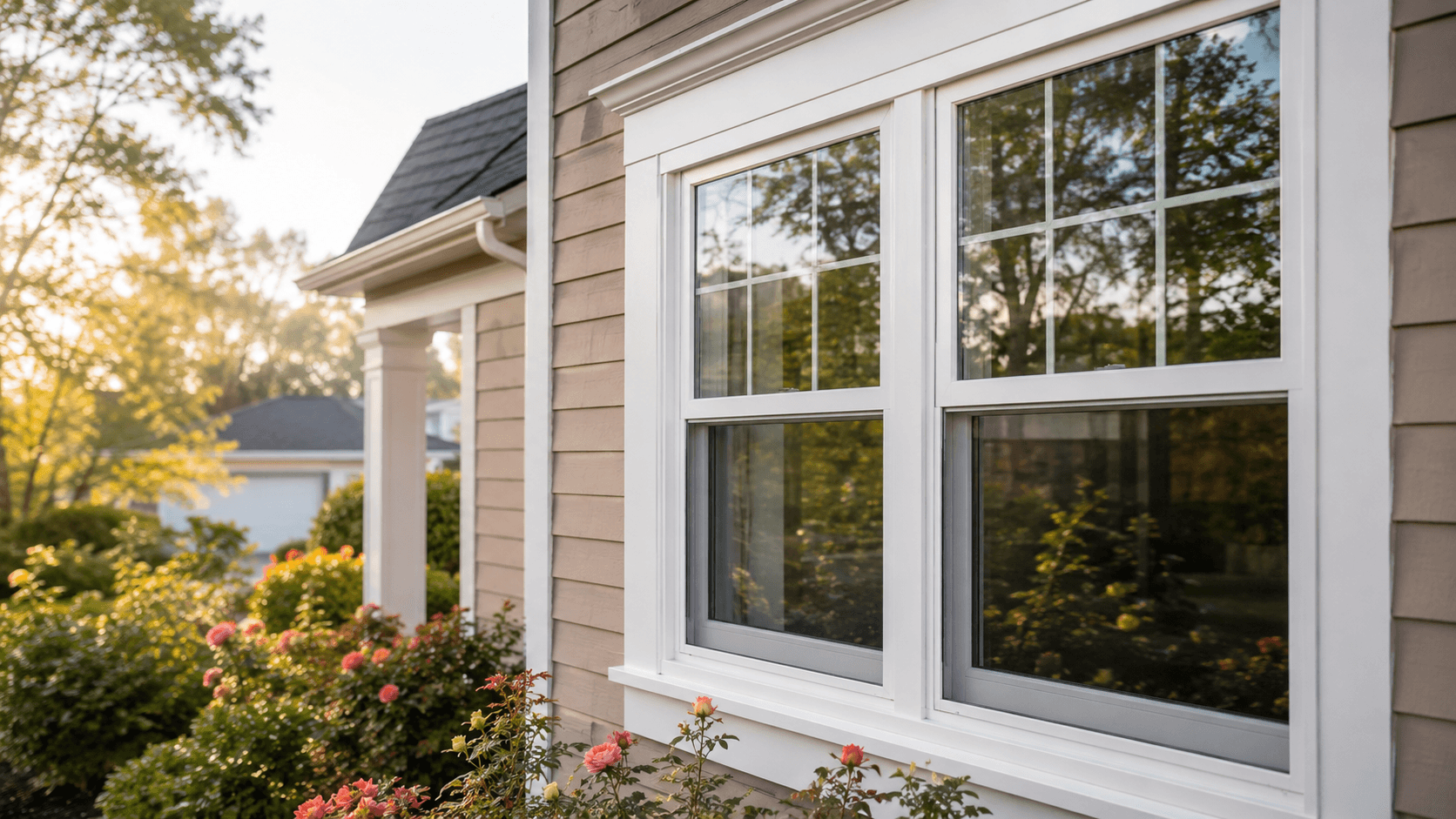
- **Double-Hung Windows:** A classic choice for New England homes, double-hung windows feature two sashes that can both move vertically. This allows for versatile ventilation, as you can open the top sash to let hot air escape and raise the bottom sash to draw in cooler air.
- **Awning Windows:** Hinged at the top, awning windows open outward from the bottom, allowing for ventilation even during light rain. They are excellent for basements, bathrooms, or placed higher on walls to maintain privacy while letting air circulate.
- **Slider Windows:** These windows glide horizontally and are a practical option for wider openings, providing good airflow in spaces where vertical operation might be challenging.
The Role of Window Materials in Ventilation and Efficiency
Beyond style, the material of your window frames significantly impacts their durability, energy performance, and ability to maintain a tight seal, which is critical for both ventilation and insulation. For homeowners in Massachusetts and Connecticut, selecting materials that can withstand our diverse climate is key.
- **Vinyl Windows:** Extremely popular for their excellent insulation properties, low maintenance, and resistance to moisture, vinyl windows are a great choice for our region. They offer good durability and are cost-effective.
- **Fiberglass Windows:** Offering high performance and exceptional durability, fiberglass is an excellent composite material. It provides superior thermal performance and can withstand harsh weather conditions, including the cold winters we experience.
- **Composite Frames:** Materials like Fibrex® composite offer strong insulation and resist expansion and contraction with temperature changes, maintaining consistent performance and airtightness.
Ready to Improve Your Home's Airflow?
Upgrading your windows to those with better ventilation capabilities is an investment in your home's comfort, health, and energy efficiency. By choosing the right styles and materials, you can ensure your Massachusetts or Connecticut home breathes easy year-round, reducing humidity, eliminating stale air, and potentially lowering your energy bills. Explore our wide selection of replacement windows to find the perfect fit for your home. When you're ready to experience the benefits of improved ventilation, don't hesitate to get a free estimate from Kubala Windows.