
Why Is Your Upstairs Always Hotter? Window Solutions for MA & CT
June 4, 2026
The Stack Effect: Why Heat Rises in Your Home
It's a common complaint among homeowners in Massachusetts and Connecticut: the upstairs is consistently warmer, often uncomfortably so, compared to the downstairs. This phenomenon is largely due to the 'stack effect,' where warmer air naturally rises. As heat from appliances, sunlight, and even your body accumulates on the lower levels, it ascends, getting trapped on the upper floors. While insulation and HVAC systems play a role, your windows are a significant factor in how much heat enters and escapes your home.
How Your Windows Contribute to an Overheated Upstairs
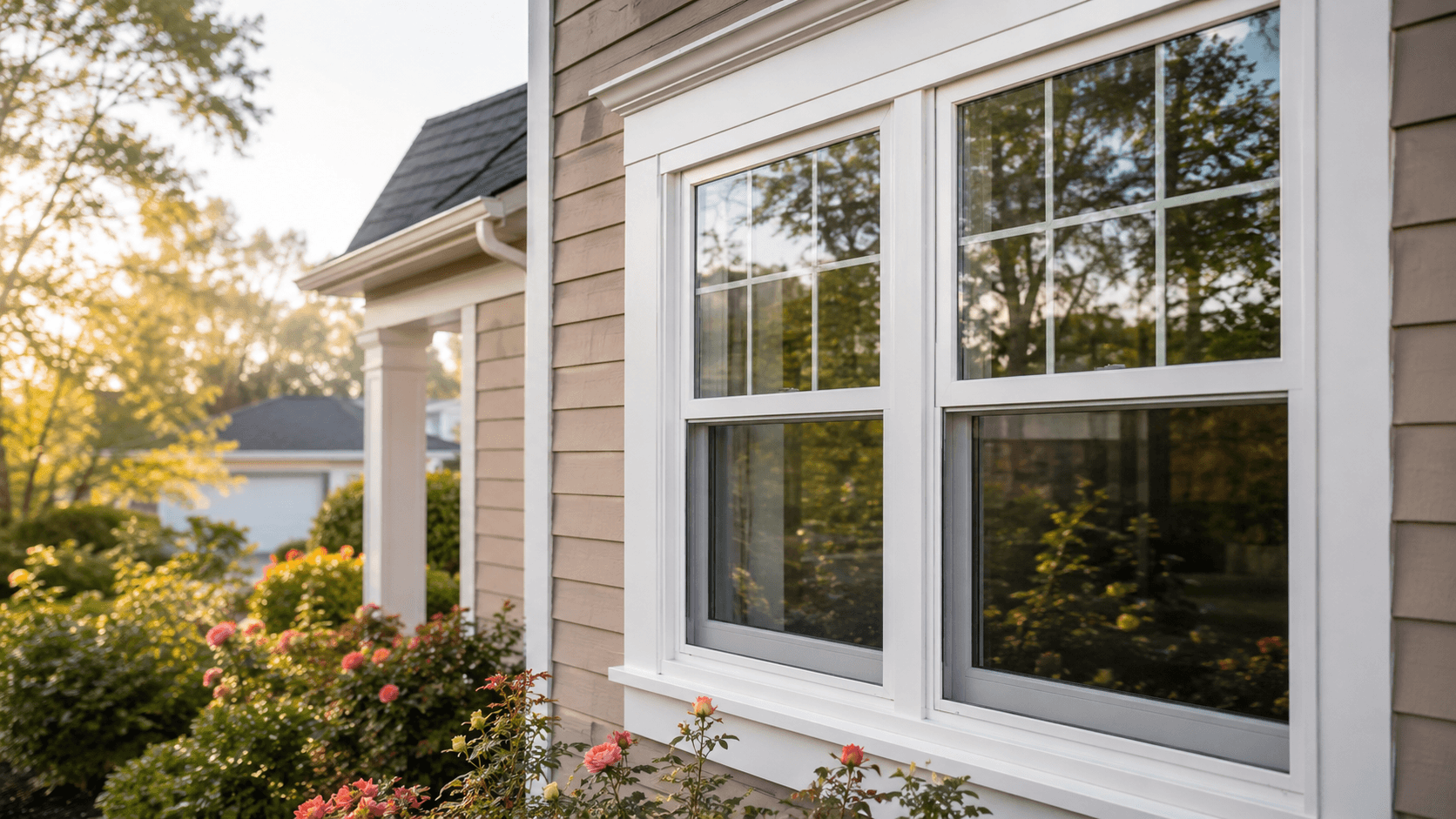
Old, inefficient windows are often the primary culprits behind an uncomfortably hot upstairs. They allow significant heat transfer through their glass and frames. During the summer, direct sunlight streaming through single-pane or poorly insulated windows can turn your upper rooms into an oven. In the winter, while the focus is usually on keeping heat in, inefficient windows can still contribute to temperature imbalances by allowing cold drafts downstairs, causing your heating system to overcompensate and push more warm air upstairs. Addressing these issues with high-quality our replacement windows page can make a dramatic difference.
Window Styles and Materials: Finding Your Cool
When considering replacement windows, both the style and the material play crucial roles in energy efficiency and temperature regulation. For an upstairs that's too hot, look for features that minimize heat gain and maximize insulation.
- Vinyl Windows: Known for their excellent insulation properties and low maintenance, vinyl frames don't conduct heat as readily as some other materials, making them a great choice for energy efficiency.
- Double or Triple-Pane Glass: Multiple panes of glass with inert gas (like argon) fills between them significantly reduce heat transfer, keeping your upstairs cooler in summer and warmer in winter.
- Low-E Coatings: These microscopic metallic coatings reflect infrared light (heat) while allowing visible light to pass through, effectively blocking solar heat gain without sacrificing natural light.
- Casement and Awning Windows: These styles offer a tighter seal when closed compared to double-hung windows, which can reduce air leakage and improve overall thermal performance.
Investing in the right windows can transform your upstairs from an unbearable sauna to a comfortable retreat. For homeowners across Massachusetts and northern Connecticut, Kubala Windows offers a range of energy-efficient solutions designed to tackle these common home comfort issues. Ready to explore options for a cooler home? You can get a free estimate today and find out how new windows can improve your home's comfort and energy efficiency.