
What Causes Window Frames to Rot? A Guide for MA & CT Homeowners
June 4, 2026
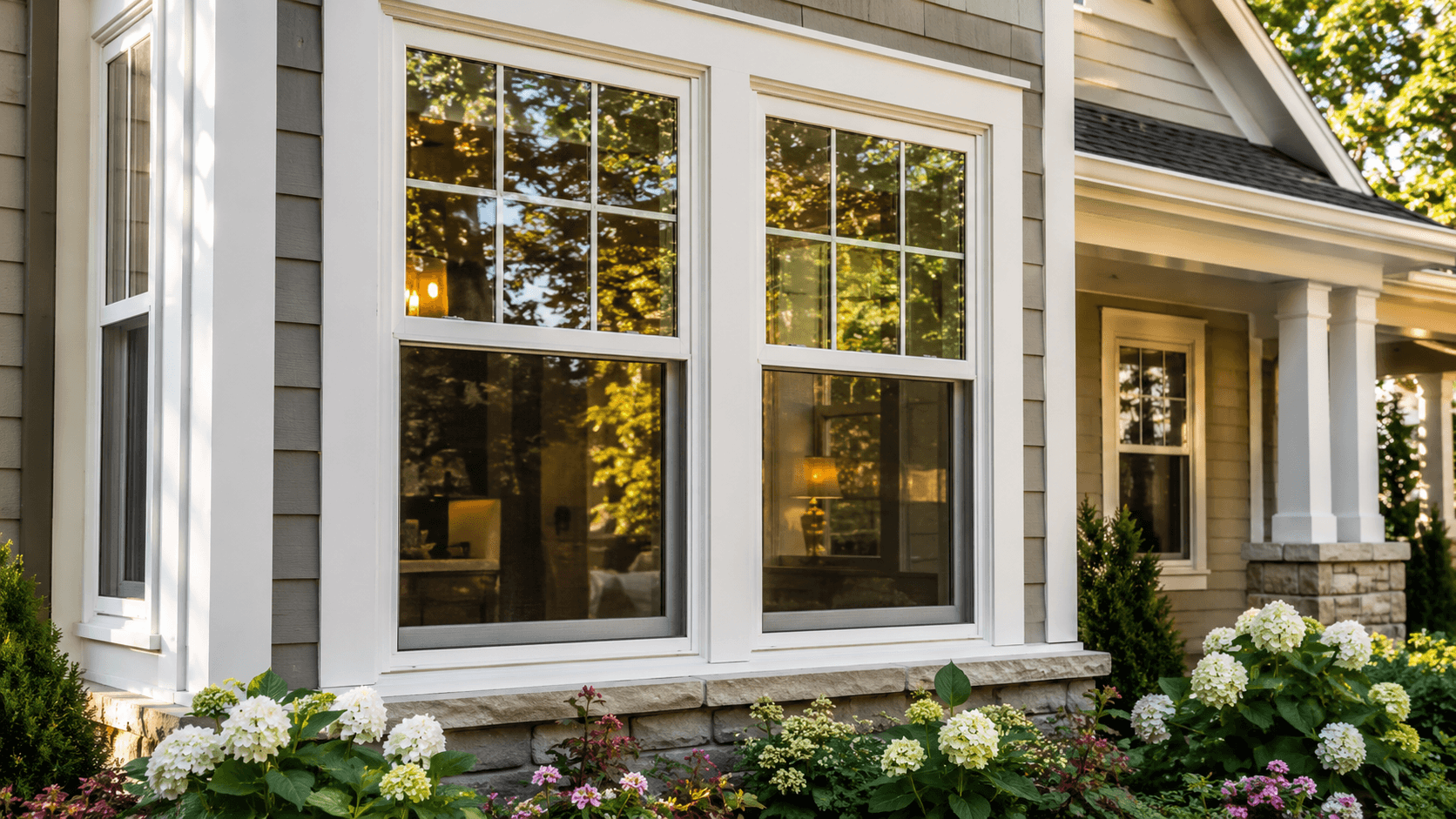
For homeowners in Massachusetts and northern Connecticut, dealing with the region's diverse weather patterns often means keeping a close eye on your home's exterior. One common and frustrating issue is window frame rot. Not only does it compromise your home's curb appeal, but it can also lead to significant energy loss and further structural damage. Understanding what causes window frames to rot is the first step in preventing it and knowing when it's time for a replacement.
The Primary Culprit: Moisture and Humidity
At its core, window frame rot is almost always a direct result of prolonged exposure to moisture. Our climate, with its humid summers and snowy winters, creates ideal conditions for moisture intrusion. When water seeps into the frame and remains there, it provides a perfect breeding ground for fungi and bacteria that cause wood to decay. This can happen through several avenues:
- **Poor Drainage:** If your window sills or frames aren't designed to shed water effectively, puddles can form and soak into the material.
- **Failed Sealants:** Over time, the caulk and weatherstripping around your windows can crack or degrade, allowing rain and condensation to penetrate the frame.
- **High Humidity:** Persistent indoor humidity, especially in bathrooms or kitchens without proper ventilation, can lead to condensation buildup on windows, which then drips and soaks into the frame.
- **Leaky Roof or Siding:** Water can travel from compromised areas higher up on your home, finding its way down to window frames.
- **Lack of Maintenance:** Neglecting to clean gutters, clear debris from window sills, or re-caulk periodically can accelerate rot.
Material Matters: How Different Window Types Resist Rot
The material of your window frames plays a crucial role in their susceptibility to rot. While all windows require some maintenance, some are inherently more resistant to moisture damage than others. When considering our replacement windows page, it's important to weigh these differences:
- **Wood Windows:** Traditional and aesthetically pleasing, wood is naturally porous and highly susceptible to rot if not properly maintained. Regular painting, sealing, and inspection are vital to prevent moisture absorption. Even with treatment, wood can eventually succumb to rot in persistently wet conditions.
- **Vinyl Windows:** A popular choice for their low maintenance and excellent insulation, vinyl frames are made from PVC (polyvinyl chloride) which is impervious to water. This means vinyl itself will not rot, making it a highly durable option against moisture damage. However, poor installation or seal failure can still allow water to affect surrounding wall structures.
- **Fiberglass Windows:** Known for their strength and stability, fiberglass frames are also highly resistant to rot. Made from glass fibers and resin, they do not absorb moisture and are less prone to expansion and contraction than other materials, which helps maintain tight seals over time. This makes them an excellent long-term solution for moisture-prone areas.
- **Aluminum Windows:** While aluminum frames do not rot, they can corrode over time, especially in coastal areas. They are also less energy-efficient than vinyl or fiberglass, which can lead to more interior condensation if not properly designed.
When to Consider Replacement
If you notice soft spots, crumbling wood, or persistent mold and mildew around your window frames, it's likely that rot has already set in. Ignoring these signs can lead to more extensive damage to your home's structure and insulation. For homeowners in Massachusetts and northern Connecticut, investing in high-quality, rot-resistant replacement windows can save you money on energy bills and prevent costly repairs down the line. If you're concerned about the condition of your windows, don't hesitate to get a free estimate from Kubala Windows. Our experts can assess your needs and recommend the best solutions for your home and our local climate.