
Why Entry Doors Warp: Understanding Causes & Prevention
June 24, 2026
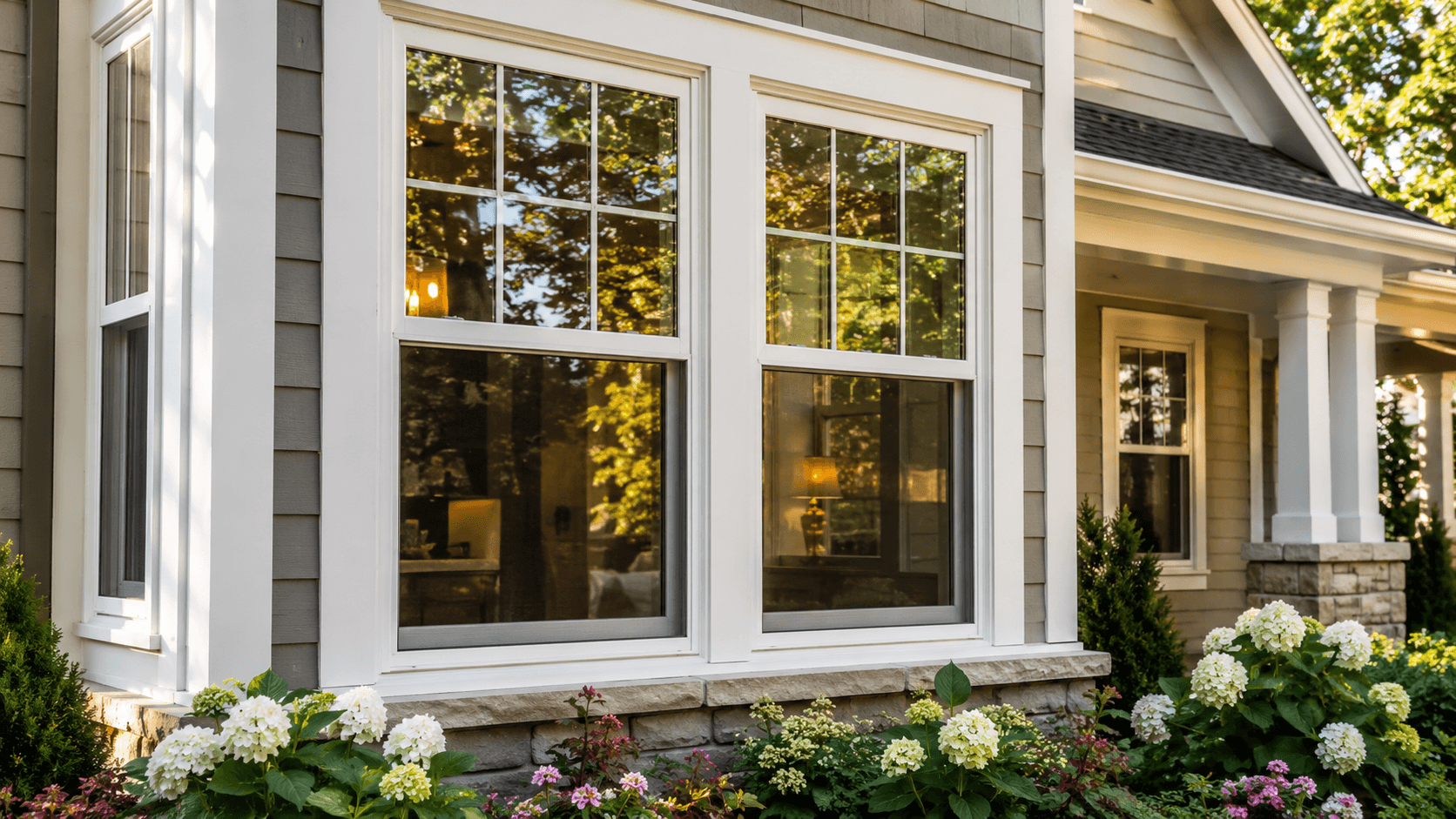
A beautiful, sturdy entry door is more than just an aesthetic feature; it's a critical component of your home's security and energy efficiency. However, homeowners in Massachusetts and northern Connecticut often face a common issue: a warped entry door. This can lead to drafts, difficulty closing, and compromised security. Understanding why doors warp is the first step toward preventing it and ensuring your home remains comfortable and secure.
The Primary Culprits Behind Door Warping
Entry doors, much like our replacement windows, are exposed to the elements daily. The harsh New England weather, with its humid summers and freezing winters, plays a significant role in door warping. Here are the main factors at play:
- Moisture Imbalance: Wood doors, in particular, are susceptible to absorbing moisture from the air. If one side of the door is exposed to more humidity or direct rain than the other, it can cause the wood fibers to expand unevenly, leading to a warp.
- Temperature Extremes: Rapid or significant temperature changes cause materials to expand and contract. When one side of a door is hot (e.g., direct sunlight) and the other is cold (e.g., inside a conditioned home), this differential stress can lead to warping.
- Poor Installation: An improperly installed door frame or a door that isn't plumb and level from the start can put undue stress on the door slab, encouraging it to warp over time.
- Material Quality: Lower quality doors or those made with less stable materials are more prone to warping. The way a door is constructed and the type of materials used significantly impact its resistance to environmental stressors.
- Lack of Maintenance: Unsealed or poorly maintained doors, especially wood, are more vulnerable to moisture penetration and UV damage, accelerating the warping process.
Material Matters: How Different Doors Resist Warping
The material of your entry door is a key determinant in its resistance to warping. While wood doors offer classic charm, they require more diligent maintenance to prevent warping. Steel doors are highly durable and resistant to warping, but they can dent and transfer temperature easily. Fiberglass doors, a popular choice for many homeowners, offer an excellent balance. They are engineered to resist warping, denting, and rusting, and provide superior insulation, making them ideal for the fluctuating climate of Massachusetts and Connecticut. When considering a new entry door, evaluating the material's properties against your local climate and maintenance preferences is crucial.
If you're experiencing issues with a warped entry door or are considering an upgrade, it's wise to consult with professionals. At Kubala Windows, we understand the unique challenges faced by New England homeowners and can help you choose a durable, energy-efficient door solution. Don't let a warped door compromise your home's comfort or security. Get a free estimate today to explore your options and ensure your entryway stands strong against the elements.