
Why Some Doors Leak Around the Threshold
August 12, 2026
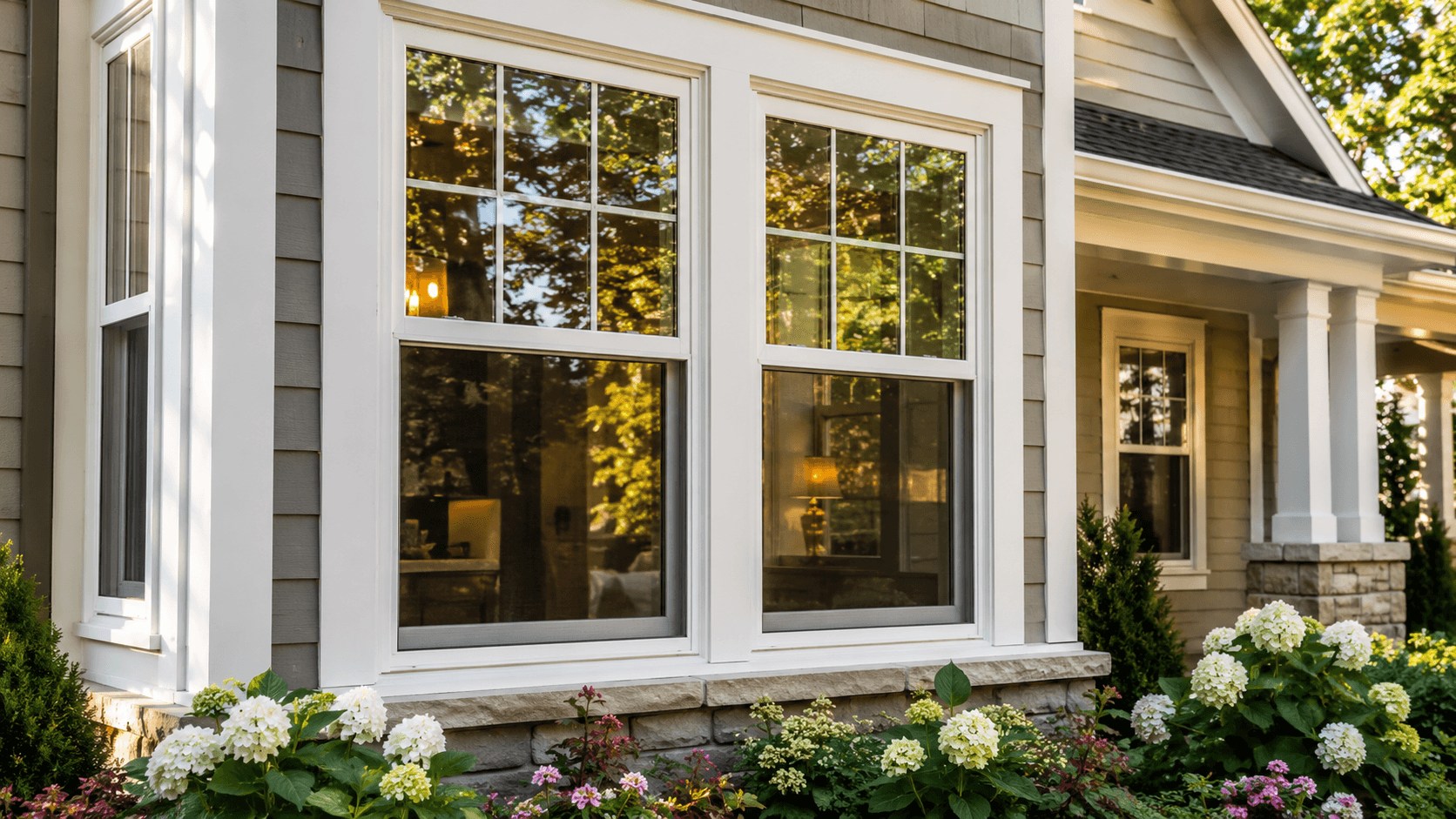
New England weather can be unforgiving on entryways. Homeowners across Massachusetts and northern Connecticut frequently notice drafts or water pooling near the base of their exterior doors. While a leaky threshold is often blamed entirely on the door sweep, the choice of frame material, installation quality, and structural alignment play huge roles in keeping moisture out. In many ways, understanding threshold leaks mirrors how we evaluate our replacement windows page to eliminate drafts and seal out harsh seasonal elements.
Common Culprits Behind Threshold Leaks
Water always finds the path of least resistance. When a threshold leaks, it usually points to one of a few structural or material breakdowns around the entryway. Comparing how different materials react to humidity, freezing temperatures, and heavy foot traffic helps clarify why certain thresholds fail prematurely.
- Improper initial installation or settling foundations that leave gaps beneath the sill.
- Worn-out or compressed weatherstripping that fails to form a tight seal against the door bottom.
- Wooden sub-sills that have absorbed moisture over successive winters, leading to rot and warping.
- Inadequate exterior flashing and caulking, allowing rainwater to seep underneath the threshold plate.
Material Matters: Wood, Composite, and Aluminum Sills
Just as frame materials dictate the longevity and energy efficiency of modern windows, the composition of a door threshold determines its resistance to the elements. Traditional wood sills offer classic charm, but they require constant maintenance and are prone to rotting when exposed to snow accumulation common in our service areas. On the other hand, composite and thermally broken aluminum thresholds resist moisture absorption, preventing the warping that lets cold air and water creep indoors.
Comparing Door and Window Engineering
When evaluating home vulnerabilities, homeowners often look at windows and doors as isolated components. However, both rely on tight engineering tolerances to prevent air and water infiltration. Premium vinyl and fiberglass window frames maintain their shape through extreme temperature swings, avoiding the micro-gaps that plague older construction. Similarly, high-performance exterior doors utilize adjustable sills and multi-point locking systems to pull the door panel securely against the threshold gasket every single time it closes.
Securing Your Home Against New England Weather
Addressing a leaking threshold early prevents costly subfloor damage and lowers your seasonal heating bills. If your doors and windows are showing signs of age, drafts, or failing seals, upgrading to properly engineered, weather-resistant materials is a smart investment for any local homeowner. Kubala Windows helps residents throughout the region replace drafty fixtures with durable, energy-efficient solutions built for local climates. Ready to make your home more comfortable? Take the first step and get a free estimate today.