
Why Some Rooms Feel Hotter Than Others

Every home seems to have that one room.
The upstairs bedroom that feels impossible to cool down in summer. The living room that gets blasted with afternoon sun and never quite feels comfortable. The bonus room that stays warmer than the rest of the house no matter how low the thermostat goes.
For many homeowners, it becomes something they simply live with.
You close the blinds earlier. You keep a fan running constantly. You lower the thermostat again and hope the AC catches up.
But if certain rooms in your home are consistently hotter than others, there’s usually a reason—and in many cases, your windows are a major part of the problem.
Why temperature differences happen throughout the home
Not every room in your house experiences heat the same way.
Some areas naturally receive more sunlight. Some have larger windows. Others are more exposed to direct afternoon heat or sit higher in the home where warm air rises more easily.
But when windows are old or underperforming, those differences become much more noticeable.
Instead of helping regulate indoor temperatures, older windows often allow heat to pour into the home throughout the day. Once that happens, your cooling system has to work harder just to maintain comfort.
And even with the AC running constantly, certain rooms may still never feel fully cool.
The rooms that usually struggle the most
Homeowners often notice the same problem areas:
- upstairs bedrooms
- rooms with large windows
- spaces facing direct sunlight
- living rooms with older glass
- bonus rooms over garages
- areas with multiple exterior-facing walls
These spaces tend to absorb and hold more heat, especially during the hottest parts of the day.
That’s why one room may feel relatively comfortable while another feels several degrees warmer.
Why older windows make the problem worse
Many older windows simply aren’t designed to handle modern efficiency demands.
Over time:
- seals weaken
- insulation performance drops
- air leakage increases
- glass allows more heat transfer into the home
As the windows continue aging, the home loses more control over indoor temperature consistency.
Instead of blocking heat effectively, the windows begin working against the cooling system.
That’s why homeowners often notice:
- rooms heating up quickly in the afternoon
- spaces cooling down slowly at night
- uneven temperatures throughout the home
- the AC running longer than it used to
The system is trying to compensate for heat constantly entering through aging windows.
Why lowering the thermostat usually doesn’t solve it
When certain rooms stay hot, the natural reaction is lowering the thermostat further.
But that often creates a frustrating cycle:
- one room becomes tolerable
- the rest of the house becomes too cold
- the AC runs constantly
- energy bills continue rising
The issue isn’t always the cooling system itself.
In many homes, the real problem is that the house isn’t holding cool air efficiently because too much heat is entering through older windows.
The hidden impact on comfort
Uneven room temperatures affect more than just comfort for a few hours a day.
Over time, they change how homeowners use their space.
People avoid certain rooms during peak heat. Fans run nonstop. Curtains stay closed all summer. Thermostats constantly get adjusted trying to “fix” the issue.
And eventually, homeowners realize the house simply doesn’t feel balanced anymore.
What changes after window replacement
One of the biggest things homeowners notice after replacing older windows is how much more consistent the home feels overall.
Modern replacement windows are designed to:
- reduce heat transfer
- improve insulation
- help stabilize indoor temperatures
- reduce strain on your AC system
Instead of certain rooms constantly overheating, temperatures throughout the home become much more manageable and consistent.
That means:
- fewer hot spots
- better comfort upstairs
- less strain on the cooling system
- a home that feels easier to keep comfortable overall
For many homeowners, the difference is noticeable almost immediately.
Why this problem usually gets worse over time
Uneven temperatures rarely stay the same year after year.
As windows continue aging, heat transfer and air leakage gradually increase. Rooms that were once “a little warm” can eventually become difficult to use comfortably during summer afternoons.
And as the cooling system works harder to compensate, energy usage often rises along with it.
That’s why many homeowners eventually realize the issue isn’t just seasonal discomfort—it’s a home efficiency problem that keeps growing over time.
Talk to Kubala Windows & Doors
At Kubala Windows & Doors, we help Massachusetts homeowners replace aging, inefficient windows with modern solutions designed for better comfort, efficiency, and long-term performance.
If some rooms in your home always feel hotter than others, your windows may be playing a much bigger role than you realize.
Schedule a free, no-obligation consultation to see what replacement would look like for your home—and how much of a difference properly performing windows can make.
Contact us now to schedule your free estimate!
50% Off Installation*
PLUS
$0-down financing & low monthly payments*
Contact Us
M-F: 9 AM - 5 PM
Read Our Reviews
Absolutely thrilled. Friendly staff, clean installation, and the job was finished ahead of schedule. A painless process!
Kubala installed 13 windows and our front door. The team was professional, efficient, friendly, and the results are beautiful.
Our new windows are beautiful, efficient, and work exactly as they should. The installation team did a wonderful job.
Scheduling was easy, the sales rep was great, and the install team was friendly and professional. Our new windows look great.
Kubala Home Improvement is the company to go with. Very professional. Pleasure to work with. Very pleased with the results!
Had 9 replacement windows installed last month was a great experience from start to finish. Overall we are super happy we chose Kubala!
The service was exceptional! From sales to measurements and installation. The team was very helpful and professional! Highly recommend!




Contact Us
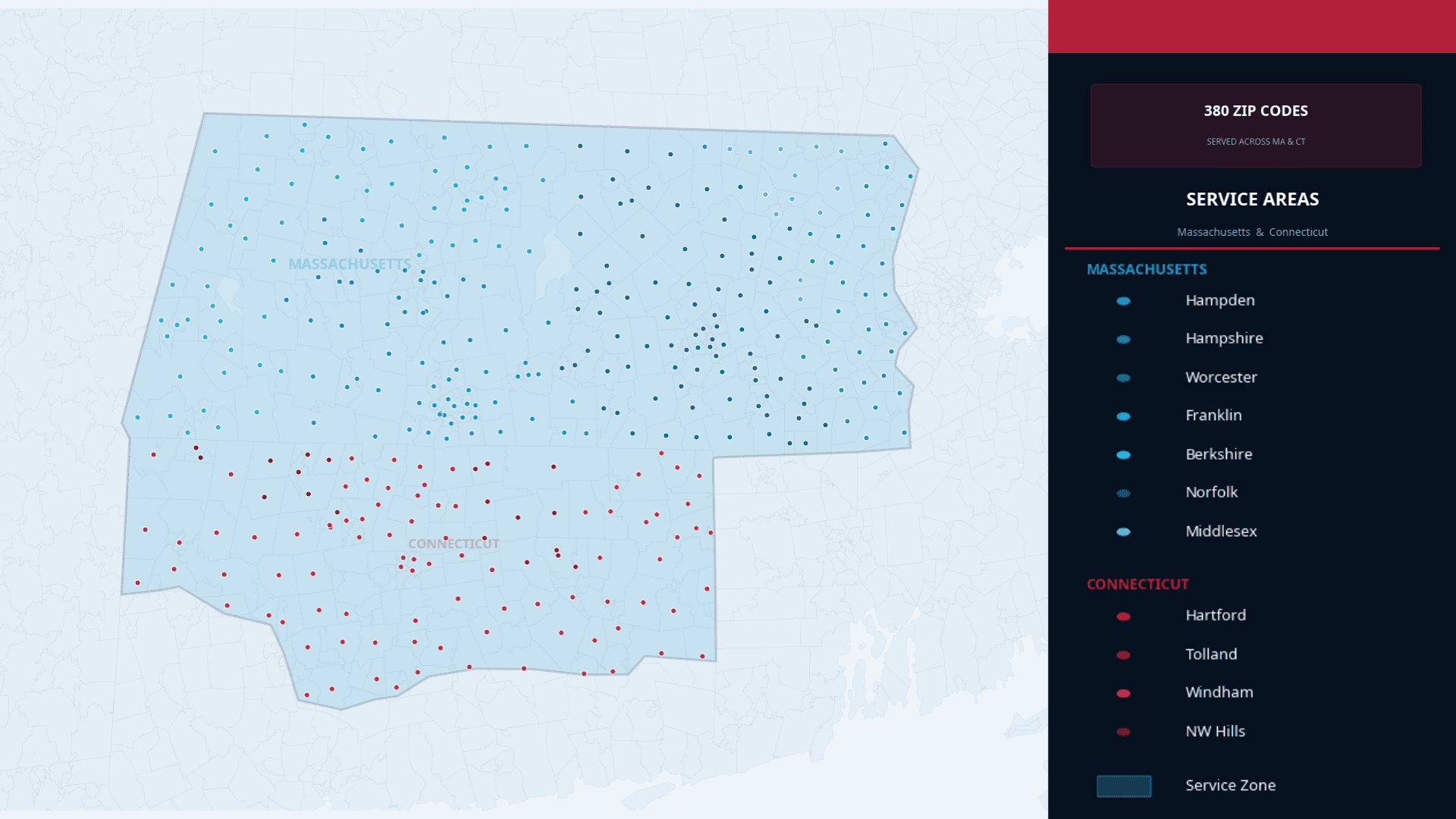
Proudly Serving Western & Central Massachusetts and Northern Connecticut
M-F: 9 AM - 5 PM