
Window Frame Design & Energy Efficiency: Best Time to Upgrade
June 24, 2026
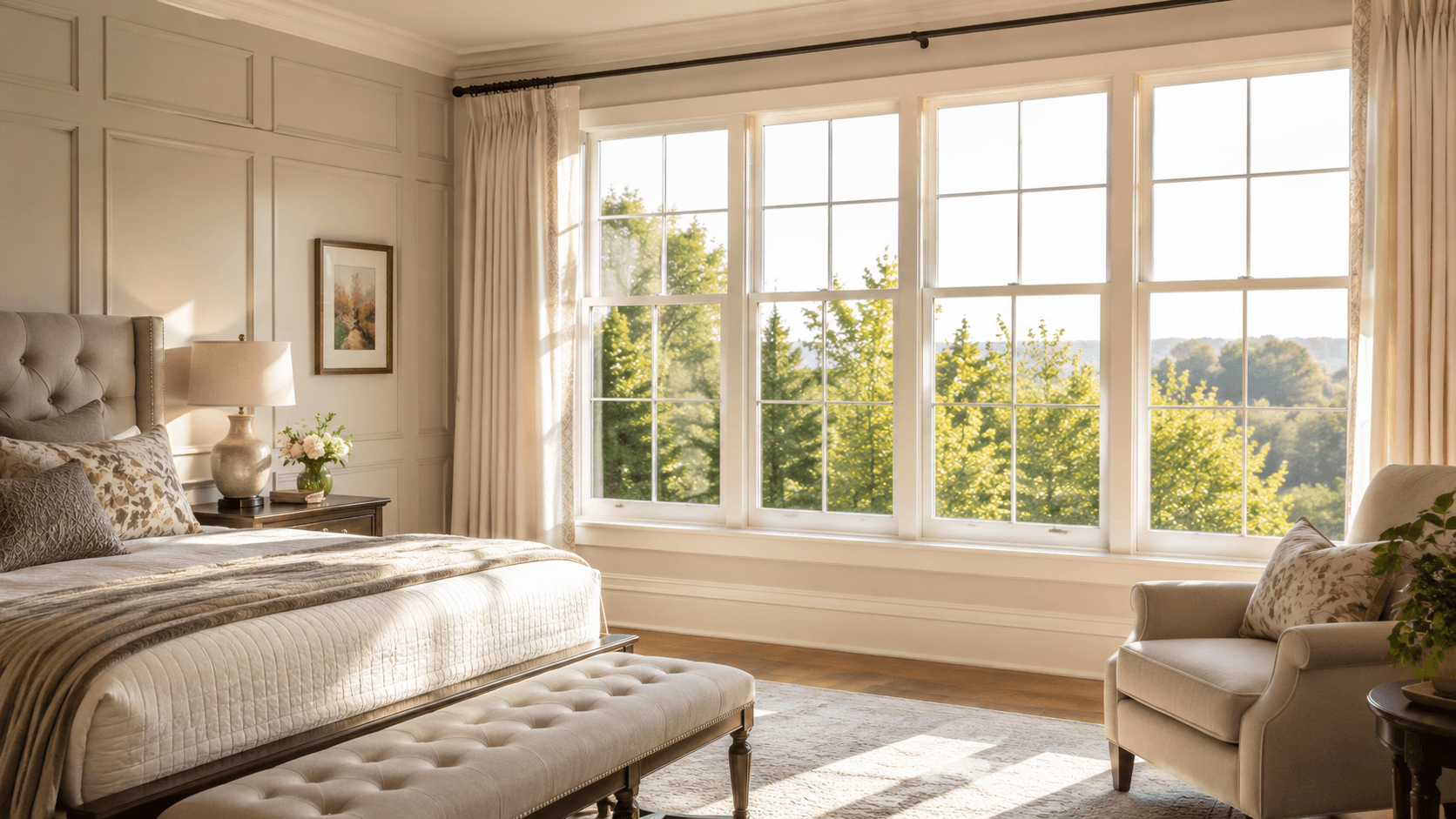
When considering replacement windows for your Massachusetts or Connecticut home, it's easy to focus solely on the glass. While the glazing plays a crucial role in insulation, the frame design is equally vital for overall energy efficiency. A well-designed frame acts as a thermal barrier, preventing heat transfer and air leaks, which can significantly impact your heating and cooling bills. Understanding the nuances of frame materials and construction can help you make an informed decision that keeps your home comfortable year-round.
The Role of Frame Materials in Energy Performance
Different window frame materials offer varying levels of insulation and durability. Vinyl frames, for instance, are popular for their excellent thermal performance, low maintenance, and affordability. They often feature multi-chambered designs that trap air, creating an effective barrier against temperature fluctuations. Fiberglass frames provide exceptional strength and stability, resisting expansion and contraction, which helps maintain a tight seal over time. Wood frames, while aesthetically appealing, require more maintenance but offer natural insulation properties. Aluminum frames, though durable, are generally less energy-efficient unless they incorporate thermal breaks to prevent heat conduction.
Beyond Materials: Frame Construction and Features
- **Multi-Chambered Profiles:** Vinyl and fiberglass frames often feature internal chambers that are filled with air or insulation, significantly reducing heat transfer.
- **Fusion-Welded Corners:** This construction method for vinyl frames creates a strong, seamless, and airtight corner, eliminating potential points for air leakage.
- **Thermal Breaks:** Essential in metal frames, these non-conductive materials separate the interior and exterior frame components, preventing heat or cold from passing through the frame itself.
- **Weatherstripping:** High-quality, durable weatherstripping around the sashes and frame ensures a tight seal when the window is closed, blocking drafts and moisture.
- **Reinforcement:** Steel or aluminum reinforcement within vinyl frames adds structural integrity, preventing warping and ensuring long-term performance.
When is the Best Time to Replace Windows in MA & CT?
While you can replace windows any time of year, certain seasons offer distinct advantages, especially in our New England climate. Many homeowners prefer spring or fall for window replacement. The milder temperatures during these seasons mean less heat or cold escaping your home during installation, making it more comfortable for both you and the installers. It also allows for easier scheduling and avoids the extreme conditions of summer heat or winter snow. However, if you're experiencing significant drafts or energy loss, waiting isn't always the best option. Modern installation techniques allow for efficient replacement even in colder months, minimizing discomfort. The most important thing is to choose a time that works best for your schedule and budget.
No matter the season, investing in high-quality, energy-efficient replacement windows from Kubala Windows can lead to substantial savings on your utility bills and improved home comfort. Our replacement windows page offers a variety of styles and materials designed to meet the unique needs of homes in Massachusetts and northern Connecticut. Ready to explore your options and find the perfect frames for your home? Get a free estimate today and let our experts guide you through the process.