
Window Installation Mistakes to Avoid for MA & CT Homeowners
June 19, 2026
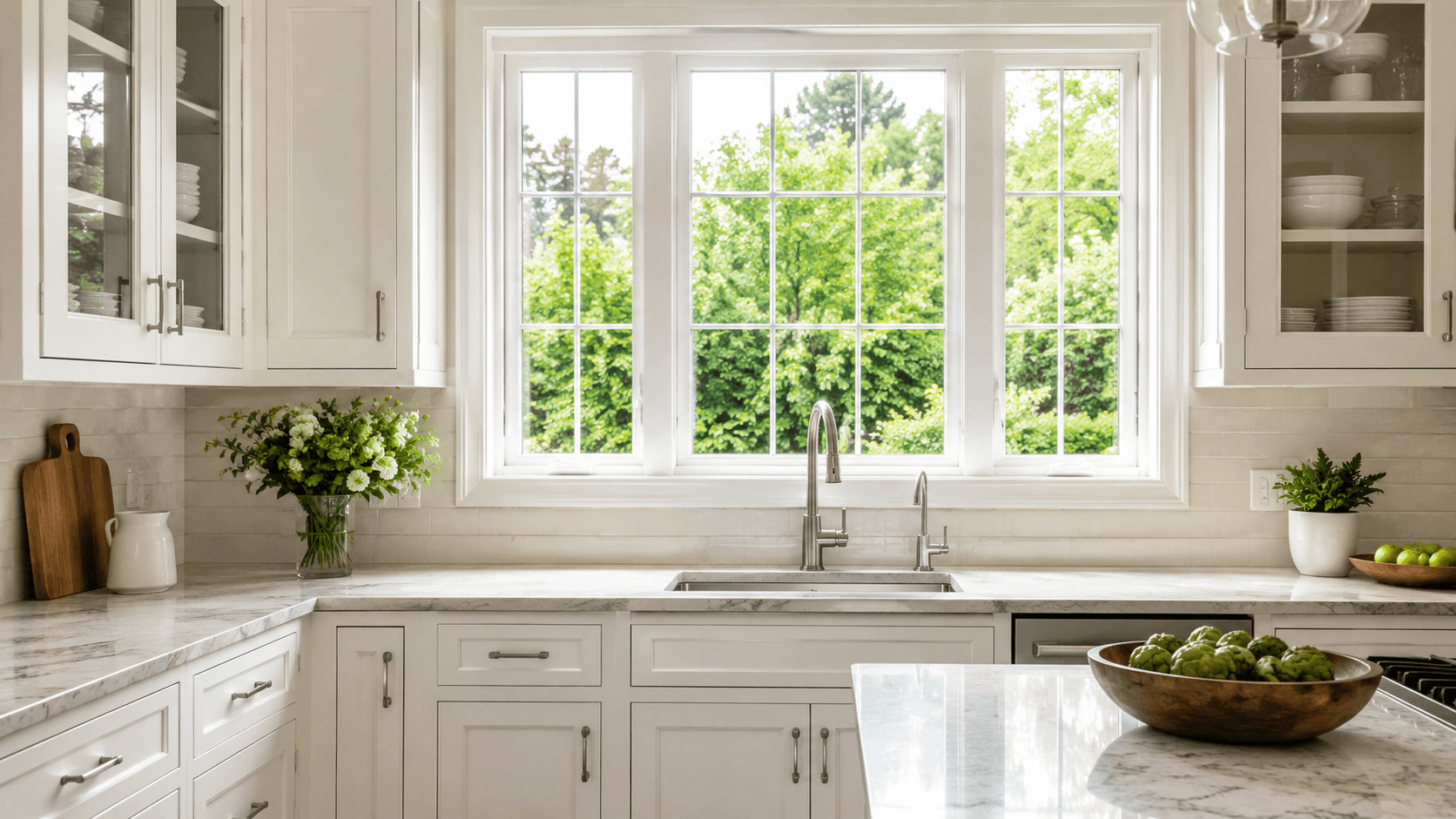
Replacing windows is a significant investment for any homeowner, especially in Massachusetts and northern Connecticut, where weather conditions can be quite demanding. A successful installation ensures energy efficiency, comfort, and enhanced curb appeal. However, common mistakes can undermine these benefits, leading to costly repairs and ongoing issues. Understanding these pitfalls, particularly when comparing different window styles and materials, is key to a smooth project.
Ignoring Proper Measurements and Fit
One of the most critical errors is failing to take precise measurements. Windows that are too small leave gaps, allowing drafts and moisture intrusion. Windows that are too large won't fit without structural alterations, which can be expensive and compromise your home's integrity. Professional installers understand that every opening is unique, and they account for variations, ensuring a snug, weather-tight fit. This is especially important for older homes common in our service areas, where openings might not be perfectly square.
Choosing the Wrong Window Style or Material
The vast array of window styles and materials available can be overwhelming. Each option has its own benefits and drawbacks, and selecting the wrong one can lead to dissatisfaction. For instance, while beautiful, certain wood windows require more maintenance than vinyl or fiberglass, which might not suit a busy homeowner. Similarly, a fixed picture window offers great views but no ventilation, whereas a double-hung or casement window provides excellent airflow. Consider your home's architectural style, your budget, and your lifestyle when making these choices. Our experts can guide you through the options on our replacement windows page.
- **Vinyl Windows:** Excellent insulation, low maintenance, and cost-effective. A popular choice for many MA and CT homes.
- **Fiberglass Windows:** Extremely durable, resistant to warping and rotting, and highly energy-efficient. A premium option for longevity.
- **Wood Windows:** Classic aesthetic, good insulation, but require regular painting or staining.
- **Composite Windows:** Offer the best of both worlds, combining the strength of fiberglass with the beauty of wood or the low maintenance of vinyl.
- **Aluminum Windows:** Strong and slim frames, but generally less energy-efficient than other materials, making them less ideal for colder climates.
Overlooking Energy Efficiency Ratings
In New England, energy efficiency isn't just a buzzword; it's a necessity. Installing windows with poor U-factors or high Solar Heat Gain Coefficients (SHGC) means higher heating bills in winter and increased cooling costs in summer. Always look for ENERGY STAR® certified windows, which are designed to perform well in your specific climate zone. Features like Low-E coatings, argon gas fills, and warm-edge spacers significantly improve thermal performance. Don't let a lower upfront cost tempt you into sacrificing long-term savings on energy.
Skipping Professional Installation
While DIY projects can be rewarding, window installation is best left to the professionals. Improper sealing, flashing, or leveling can lead to drafts, water leaks, and even structural damage over time. A professional installer has the right tools, experience, and knowledge of building codes to ensure your windows are installed correctly and safely. This protects your investment and ensures your manufacturer's warranty remains valid. For a worry-free experience and to ensure your new windows are installed perfectly, consider reaching out to Kubala Windows for a get a free estimate.