
Window Orientation: Comfort, Sunlight & Best Replacement Time
June 24, 2026
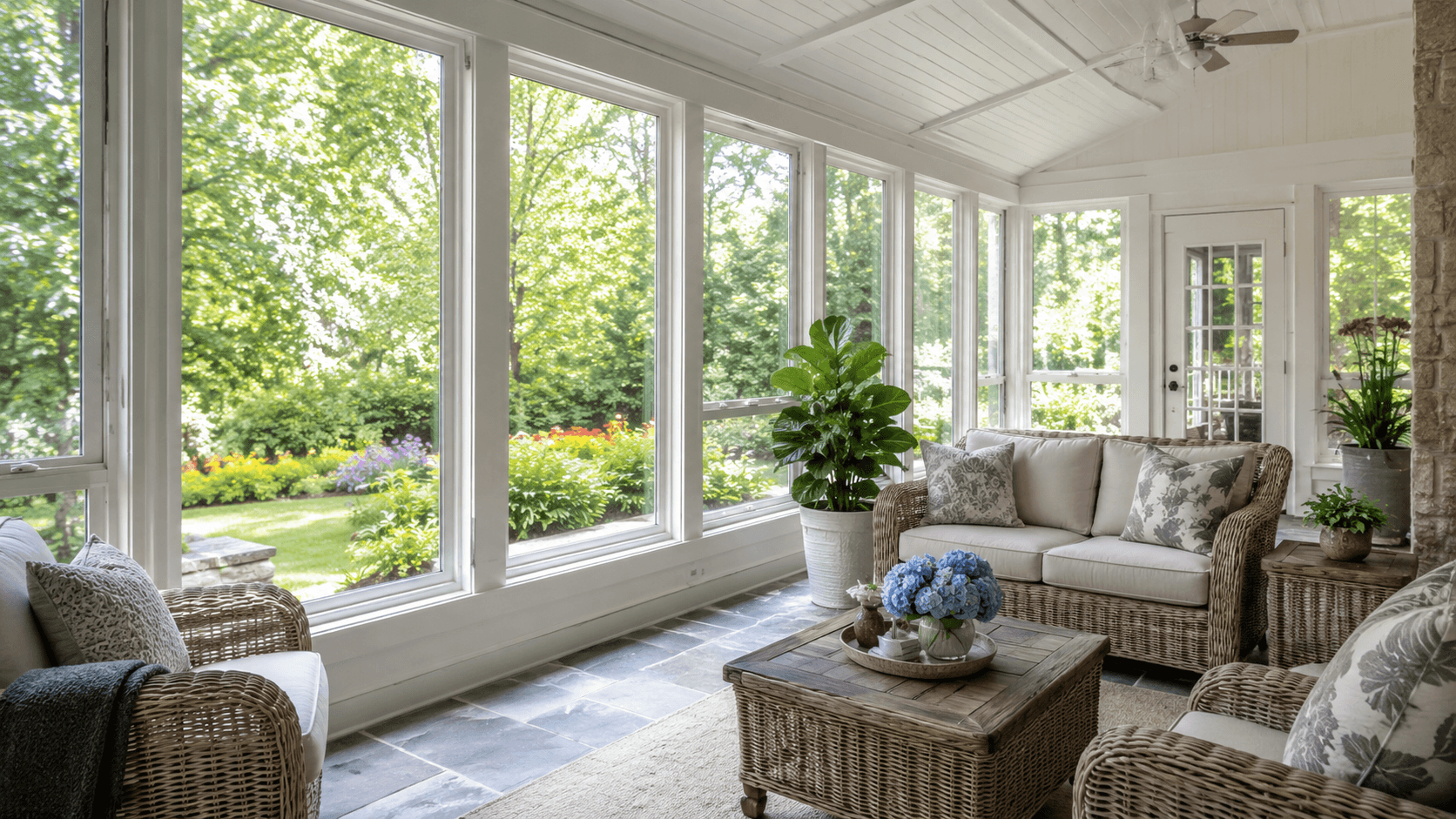
Have you ever noticed how some rooms in your Massachusetts or Connecticut home feel warmer or brighter than others, even on the same day? This isn't just a coincidence; it's often a direct result of your home's window orientation. The direction your windows face significantly impacts natural light, heat gain, and overall comfort. Understanding these effects can help you make smarter decisions, especially when considering replacement windows.
North-Facing Windows: Consistent Light, Less Heat
Windows facing north receive indirect, diffused light throughout the day. This provides consistent, soft illumination without the harsh glare or significant heat gain associated with direct sunlight. They're ideal for art studios, offices, or any room where steady, even light is preferred. While they don't contribute much to passive solar heating in winter, they also won't overheat rooms in summer, making them a good candidate for energy-efficient replacement windows that prioritize insulation.
South-Facing Windows: Brightest & Most Efficient
South-facing windows are often considered the most desirable for energy efficiency. They receive the most direct sunlight throughout the day, especially in winter when the sun is lower in the sky. This can provide significant passive solar heating, reducing your reliance on your furnace during colder months. In summer, when the sun is higher, properly designed eaves or awnings can shade these windows, preventing excessive heat gain. Upgrading these windows can lead to substantial energy savings. Learn more about the benefits of our replacement windows page.
East & West-Facing Windows: Morning & Afternoon Sun
East-facing windows welcome the morning sun, offering a bright start to your day. They can warm up rooms quickly, which is pleasant in winter but might lead to overheating in summer if not properly shaded. West-facing windows, conversely, get intense afternoon sun, which can be a double-edged sword. While beautiful for sunsets, they can cause significant heat gain and glare, especially during summer afternoons. High-performance windows with low-emissivity (Low-E) coatings are particularly beneficial for east and west-facing exposures to manage heat and UV rays.
When is the Best Time to Replace Your Windows?
While window replacement can happen any time of year, certain seasons offer distinct advantages for homeowners in MA and CT:
- Spring & Fall: These seasons offer moderate temperatures, making installation more comfortable for crews and minimizing heat or cold loss from your home during the process. It's often easier to schedule installations during these periods.
- Winter: Don't rule out winter! Reputable companies like Kubala Windows are experienced in cold-weather installations, often replacing one window at a time to minimize heat loss. Plus, you might find more flexible scheduling and potential off-season promotions.
- Summer: While possible, intense summer heat can make installation less comfortable. However, if you're experiencing drafts or poor efficiency, replacing windows in summer can immediately improve your home's air conditioning performance.
- Anytime: The 'best' time is ultimately when you're ready to invest in your home's comfort and energy efficiency. The sooner you replace old, inefficient windows, the sooner you start saving on energy bills.
No matter the season, understanding your home's window orientation helps you choose the right glass packages and features for optimal performance. Ready to explore options for your home? Get a free estimate today and let Kubala Windows help you select the perfect windows to enhance your comfort and energy savings year-round.