
Window Replacement for Homes With Hot Second Floors
October 1, 2026
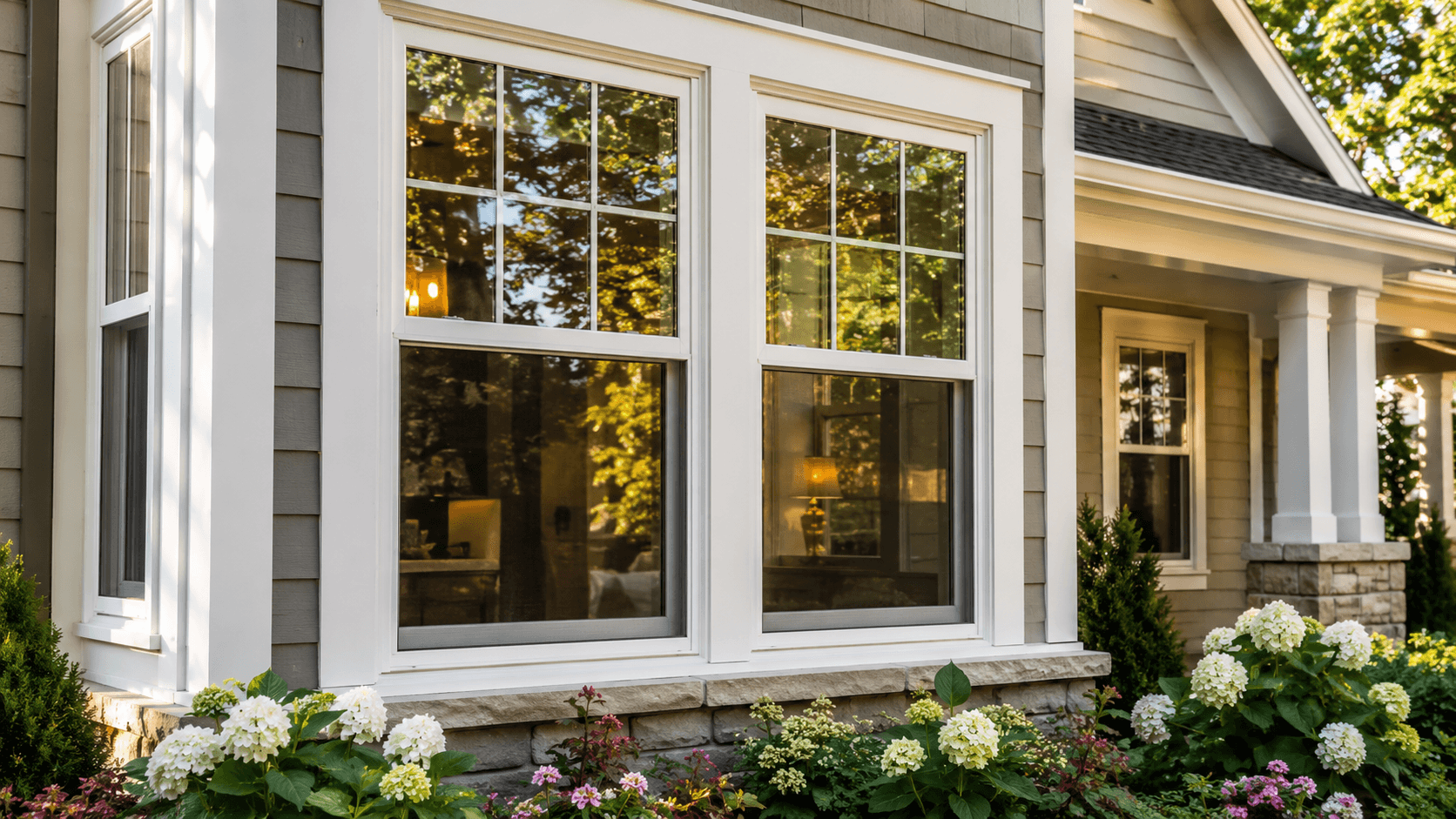
If you live in Massachusetts or Northern Connecticut, you already know how quickly summer heat can turn the upper level of a two-story home into an uncomfortable trap. Heat naturally rises, and aging or poorly insulated windows can easily turn your bedrooms into an oven. When simple fans and overworking air conditioners are not cutting it, the root of the problem often traces back to solar heat gain through your glass. Upgrading your home with our replacement windows page can make a dramatic difference in indoor temperature regulation.
Why Second Floors Trap So Much Heat
Physics plays a major role in second-floor temperature spikes. Warm air is less dense than cool air, meaning it naturally migrates upward and stays trapped against your ceiling. Combined with radiant heat beating down directly on your roof and upper-wall assemblies, your second-story rooms absorb an immense thermal load throughout the day. If your existing windows lack modern Low-E glass coatings or airtight seals, solar radiation streams right inside, compounding the greenhouse effect. Homeowners across our service areas frequently face this exact thermal imbalance during humid New England heatwaves.
Comparing Window Materials for Thermal Performance
When tackling upper-floor heat retention, the frame material you choose matters just as much as the glass package. Different materials react to intense sunlight and ambient heat in distinct ways:
- Vinyl frames offer exceptional thermal resistance, preventing heat transfer and maintaining structural integrity without warping under heavy sun exposure.
- Wood frames provide natural insulation value, though they require routine exterior maintenance to prevent moisture damage and warping from seasonal humidity.
- Aluminum frames conduct heat rapidly, making them a poor choice for hot second floors because they transfer outside warmth directly into indoor living spaces.
- Composite frames combine the strength of various materials to resist temperature-induced expansion, offering high-end thermal efficiency and durability.
Window Styles That Maximize Airflow
Beyond frame materials, your choice of window configuration dictates how efficiently you can vent trapped hot air once the sun goes down. Maximizing cross-ventilation on an upper level requires styles that open fully to capture nighttime breezes.
Casement and awning windows crank outward entirely, catching passing side breezes and funneling fresh air straight into stuffy bedrooms. Double-hung windows are another popular choice because both sashes can open simultaneously—allowing hot, rising air to escape out of the top opening while cooler night air flows in through the bottom. At Kubala Windows, we help local homeowners evaluate which configurations work best for their specific architectural layouts.
Take Control of Your Home Comfort Today
A hot second floor does not have to be an accepted part of New England homeownership. By pairing high-performance, multi-pane glass packages with smart framing materials and ventilation-friendly styles, you can dramatically balance your home's indoor climate. Ready to make your upper-level bedrooms comfortable again? Reach out to get a free estimate and let our team help you find the ideal cooling solutions for your property.