
Window Replacement Myths Debunked: Styles & Materials
June 19, 2026
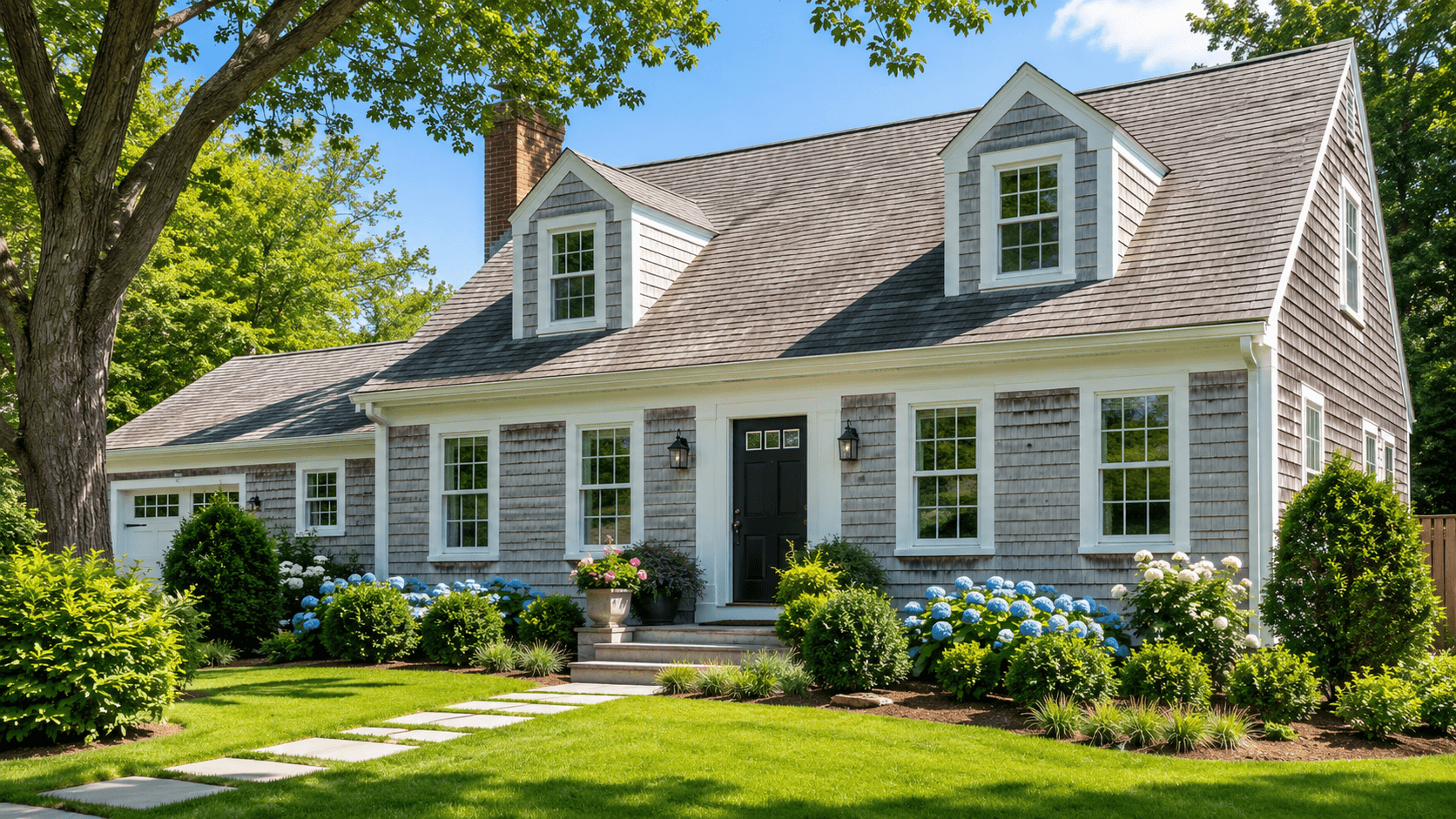
Myth 1: All Replacement Windows Are Basically the Same
One of the most pervasive myths is that there's little difference between window products. In reality, the world of replacement windows is vast, offering a wide array of styles, materials, and performance features. From classic double-hung to modern casement windows, and from durable vinyl to elegant fiberglass, each option brings unique benefits to your home's aesthetics, energy efficiency, and maintenance needs. Understanding these differences is key to choosing the right fit for your Massachusetts or Connecticut property.
Myth 2: Vinyl Windows Look Cheap and Aren't Durable
While early vinyl windows might have had a less-than-stellar reputation, modern vinyl windows are a testament to significant advancements in manufacturing. Today's vinyl windows are engineered for exceptional durability, energy efficiency, and aesthetic appeal. They come in a variety of colors and finishes, mimicking the look of traditional wood without the extensive maintenance. For homeowners in MA and CT looking for a cost-effective, low-maintenance, and high-performing option, vinyl is an excellent choice. Learn more about our options on our replacement windows page.
Myth 3: Wood Windows Are Always the Best Choice for Historic Homes
For many historic homes, especially those in New England, wood windows are the traditional choice. However, while wood offers timeless beauty, it also requires significant maintenance to prevent rot, warping, and pest issues. Modern alternatives, such as composite or fiberglass windows, can replicate the authentic look of wood while providing superior energy efficiency and minimal upkeep. These materials are often approved for use in historic districts, offering the best of both worlds without compromising architectural integrity.
Myth 4: You Can Only Choose One Window Style for Your Entire Home
Many homeowners believe they must stick to a single window style throughout their home. This isn't true! Mixing and matching styles can enhance both curb appeal and functionality. For instance, you might use double-hung windows in bedrooms for traditional ventilation, casement windows in the kitchen for easy opening over a counter, and large picture windows in living areas to maximize views and natural light. A professional consultation can help you design a cohesive look that meets your specific needs.
Myth 5: All Energy-Efficient Windows Are Too Expensive
While high-performance windows can be an investment, the long-term savings on energy bills often outweigh the initial cost. The key is to look for features like Low-E coatings, argon gas fills, and multi-pane glass, which significantly improve insulation. These features are available across various materials and styles, making energy efficiency accessible. Don't let upfront cost deter you from exploring options that will save you money year after year, especially with our region's fluctuating temperatures. To understand the potential return on investment for your home, we encourage you to get a free estimate.
Common Misconceptions About Window Materials
- **Vinyl:** Often thought of as flimsy, but modern vinyl is robust, energy-efficient, and comes in many styles and colors.
- **Wood:** Perceived as maintenance-free, but requires regular painting or staining to prevent rot and weather damage.
- **Fiberglass:** Believed to be prohibitively expensive, but offers exceptional durability, stability, and energy performance, often providing great long-term value.
- **Aluminum:** Sometimes considered only for commercial use, but residential aluminum windows offer sleek profiles and strength, especially in contemporary designs.
- **Composite:** A blend of materials (e.g., wood fibers and polymers) that combines the best attributes of different types, often mistaken for just another type of vinyl.